

Photography has transformed the way people capture personal experiences, document important events, and share meaningful moments with others. From family celebrations to wildlife discoveries, images allow people to preserve details that might otherwise fade from memory. As digital technology continues to evolve, creating and organizing photographs has become easier than ever. Tools such as an ai image generator are also introducing new possibilities for visual creativity, helping people explore artistic concepts, enhance storytelling projects, and develop imaginative compositions alongside traditional photography.
The Evolution of Personal Photography
Photography was once an activity that required specialized equipment, film rolls, and careful planning. People often took a limited number of photographs because every exposure had a cost. Today, smartphones and digital cameras allow users to capture hundreds of images during a single occasion.
This change has influenced how people document their lives. Travelers photograph unfamiliar streets, families record everyday milestones, and individuals save pictures of ordinary moments that become meaningful over time. Digital photography has made these experiences easier to preserve and revisit.
However, taking more pictures does not automatically make memories easier to manage. Large collections can become disorganized, duplicate images may accumulate, and important photographs can disappear among thousands of files. Developing simple habits for organizing and backing up images is therefore an important part of modern photography.
Why Visual Memories Matter
Images can communicate details that written descriptions sometimes struggle to capture. A photograph of an old family home, for example, may preserve architectural features, furniture arrangements, and small personal details that relatives might otherwise forget.
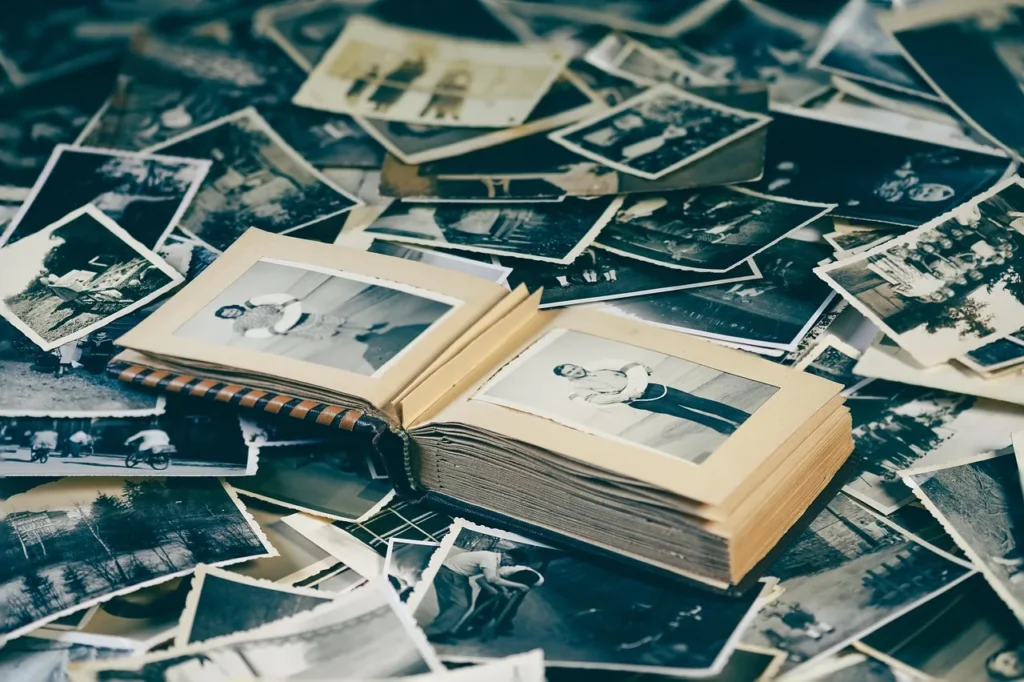
Photographs also provide a way to connect generations. Parents can share childhood memories with their children, while older family members can help explain the people, places, and events represented in historical albums.
Beyond personal relationships, visual records can document how communities change. Street photography may reveal differences in architecture, transportation, clothing, and public spaces over several decades. When properly dated and preserved, these photographs can become valuable historical resources.
The meaning of an image often depends on the story behind it. Recording names, dates, locations, and relevant details can help future viewers understand why a particular photograph matters.
Developing a Personal Photography Style
People do not need expensive equipment to develop a recognizable photography style. Learning to observe light, composition, perspective, and timing can significantly improve the results produced by an ordinary smartphone camera.
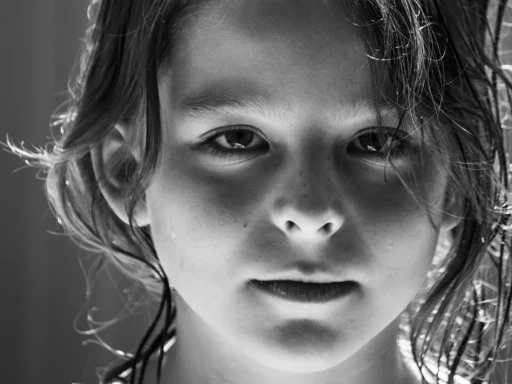
Lighting is one of the most important considerations. Soft natural light often creates balanced portraits, while strong directional light can produce dramatic shadows. Photographers can experiment with different conditions to discover how lighting changes the mood of a scene.
Composition also influences how viewers interpret an image. Placing a subject away from the center can create visual interest, while leading lines can guide attention toward an important detail. Backgrounds deserve equal consideration because distracting objects may weaken an otherwise strong photograph.
Experimentation helps photographers understand these principles. Rather than applying every rule mechanically, they can explore different approaches and evaluate which compositions best communicate their intended message.
The Role of Editing in Modern Photography
Editing allows photographers to refine images after capturing them. Adjustments to exposure, contrast, color balance, and cropping can help bring a photograph closer to the photographer’s original intention.
For example, a landscape photograph taken on an overcast day may benefit from careful exposure adjustments that reveal details in the foreground. A portrait might require a small crop to remove distractions and bring attention to the subject.
The goal should be to improve the image without removing the qualities that make the moment authentic. Excessive editing can produce unnatural skin tones, unrealistic colors, or misleading representations of real events.
Photographers should also distinguish between ordinary image adjustments and substantial alterations. This distinction is particularly important in journalism, documentary projects, historical archives, and scientific photography, where accuracy matters more than artistic interpretation.
Exploring Creativity Beyond the Camera
Photography can serve as a starting point for broader visual projects. People may combine photographs with illustrations, typography, textures, or graphic elements to create personalized artwork, travel journals, invitations, and digital presentations.
For instance, someone documenting a hiking trip could combine landscape photographs with a map, short captions, and notes about the route. A family album might include scanned historical photographs alongside written stories from relatives. These combinations create richer records than a collection of unrelated images.
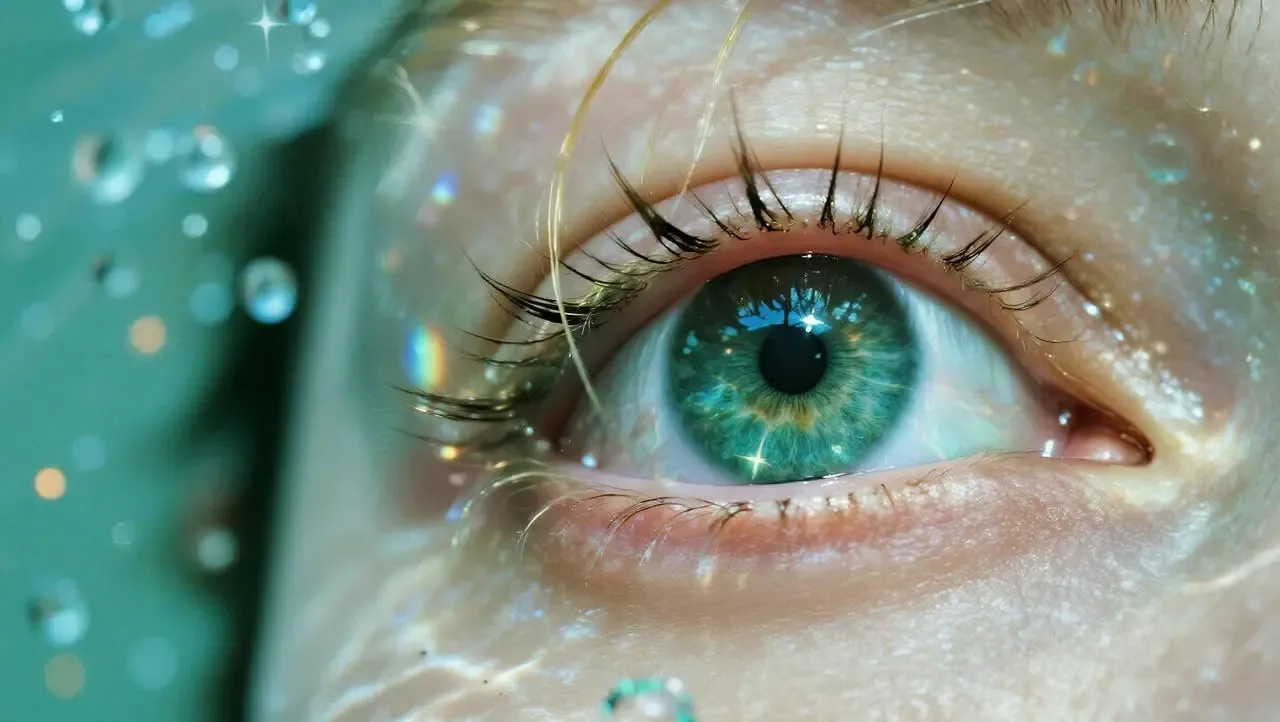
Creative digital tools can also help users explore concepts that are difficult to photograph directly. Dreamina offers a way to experiment with generated visual ideas for mood boards, creative compositions, and personal storytelling projects. Such imagery can complement original photographs when clearly used for illustrative purposes.
When a project documents a real event, creators should avoid presenting invented details as authentic evidence. Keeping original photographs separate from generated artwork helps viewers understand which images record actual moments and which represent creative interpretation.
Protecting Photographs From Loss
Digital photographs may seem permanent, but files can be lost through device damage, accidental deletion, corrupted storage, or account access problems. Protecting meaningful images requires more than leaving them on a phone.
A practical approach is to maintain multiple copies of important photographs. One copy might remain on the primary device, another on an external storage drive, and an additional backup in a trusted cloud service.
Photographers should also organize files using descriptive folders and consistent naming conventions. Grouping pictures by year, event, or location can make collections easier to navigate as they grow.
Metadata can provide further assistance. Dates, locations, descriptions, and relevant keywords help people search for particular photographs without manually reviewing every file.
Regularly checking backups is equally important. A backup that has never been tested may not be useful when it is needed most. Taking a few minutes to confirm that files can be opened and restored can prevent significant frustration later.
Respecting Privacy When Sharing Images
Sharing photographs online makes it easier to stay connected with friends and family, but it also creates privacy considerations. Images may contain recognizable faces, home addresses, school uniforms, vehicle registration details, or location information embedded in file metadata.
Before publishing a photograph, people should consider whether everyone shown is comfortable with the image being shared. This is especially important when photographing children or individuals who have not agreed to public exposure.
Location settings also deserve attention. Photographs taken at home or in private environments may reveal more information than intended. Reviewing privacy settings and removing unnecessary location metadata can reduce some of these risks.
Creators should additionally respect copyright when using images in public projects. A photograph found online is not automatically free to reproduce. Checking licensing terms and obtaining permission when required helps protect the rights of photographers and other creators.
Responsible sharing allows people to enjoy the benefits of visual communication without overlooking the privacy and ownership concerns associated with digital media.
Photography as a Lifelong Creative Practice
Photography offers opportunities for learning at every stage of life. Beginners can start by documenting everyday surroundings, while experienced photographers may explore specialized subjects such as architecture, macro photography, wildlife, or documentary storytelling.
Developing a regular practice can improve observation skills and encourage people to notice details they might otherwise overlook. Changing weather, reflections in windows, patterns in buildings, and variations in natural light all provide opportunities to experiment.
Reviewing older photographs can also reveal personal progress. Comparing images taken months apart may show improvements in composition, technical control, and creative decision-making.
Ultimately, photography is not defined solely by equipment or technical perfection. Its lasting value comes from the ability to preserve experiences, communicate ideas, and help people see familiar surroundings from new perspectives.
Frequently Asked Questions
1. How can beginners take better photographs?
Beginners can improve by practicing composition, observing natural light, keeping backgrounds simple, and experimenting with different perspectives. Reviewing previous photographs can help identify what works and what needs improvement.
2. Is a smartphone enough for photography?
Yes. Modern smartphones can capture excellent photographs for personal collections, social media, and many creative projects. Learning how to use available lighting, focus, exposure, and composition is often more important than purchasing expensive equipment.
3. What is the best way to organize digital photographs?
Organizing photographs by year, event, or location makes them easier to find. Descriptive filenames, useful metadata, duplicate removal, and regular backups can help maintain a manageable collection.
4. Why should photographers back up their images?
Backups protect photographs against accidental deletion, device failure, theft, and storage corruption. Keeping multiple copies in separate locations reduces the likelihood of permanently losing important memories.
5. Can generated images replace traditional photographs?
Generated images can support artistic projects, conceptual presentations, and imaginative storytelling, but they do not replace photographs when accurate documentation of a real person, location, or event is required.
6. What should people consider before sharing photographs online?
People should consider consent, privacy, copyright, and potentially revealing details such as location information. Reviewing an image before publishing it can help prevent unintended disclosure and respect the rights of others.