

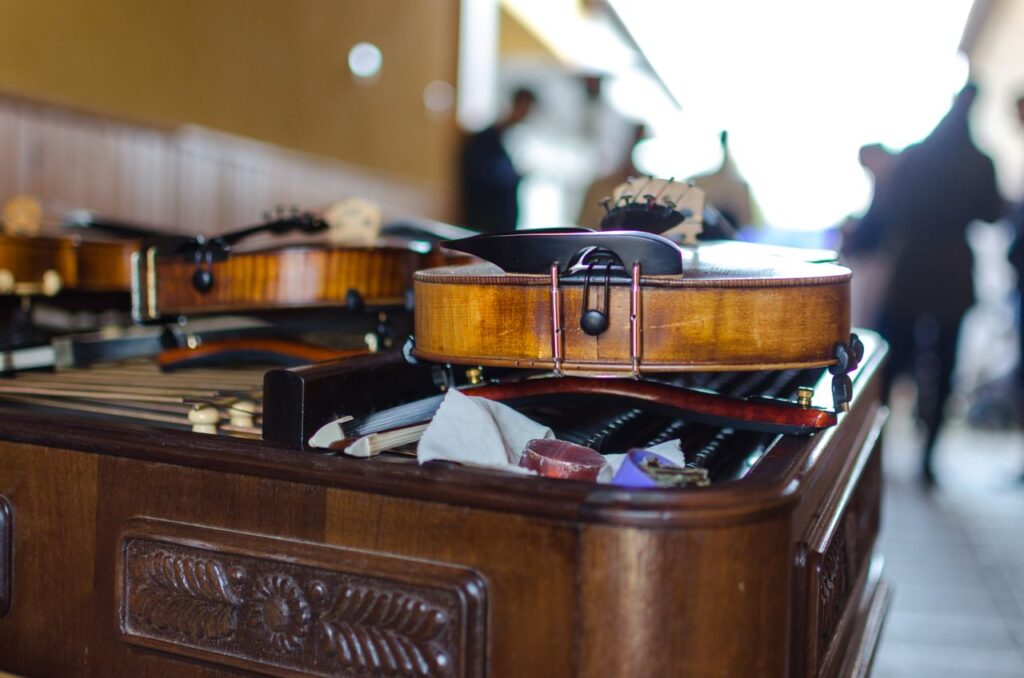

For most people, learning the violin means buying a beautiful wooden instrument, strapping on a bow, and playing music smoothly. When you watch a pro on stage, it feels so natural. But behind the scenes, getting started takes more than pulling an instrument out of its case and stepping straight into your first lesson. There’s a lot to consider before you play your first note.
If you or your child is thinking about getting one, you’ll quickly discover a few surprises that come with owning and studying a violin. Getting these details early will help the process run smoothly, save you money, and keep you from pulling your hair out later.
A Violin Is Not a One-Size-Fits-All Instrument
One of the biggest eye-openers for novices is that there are numerous sizes of violins. The usual size of an acoustic guitar is fine for most individuals, but a violin has to accommodate the length of the player’s arm. They come in sizes from tiny 1/16 size for very small children right up to a full-size violin, or 4/4.
Fit is crucial to both comfort and technique. If an instrument is excessively big, a learner has to reach too far with their arm only to get to the end of the neck. This results in undesirable habits, painful shoulders and poor posture. But in contrast, if you play an instrument that’s too small, your fingers will feel cramped and awkward.
Kids grow so fast that a young player may outgrow a size or two before he is ready for a full-size model. And it’s not only age, either, to get the appropriate fit. Most teachers of violin test a student by having him reach his arm out to determine if the hand can comfortably fit around the scroll. It really saves time to ask the instructor what size to get before you decide.
It Might Be a Good Idea to Try Renting First
Kids grow out of little violins so fast that getting a brand new instrument straight away isn’t always the best decision. Most families don’t rationalize spending money on a new tiny violin that their child will outgrow in eight months. That’s why violin rentals are usually the simplest, no-stress way to go.
You may rent to see if you like it, without having to invest a ton of money up-front. It lets new players see if they are actually interested in playing before anyone commits long term.
Here’s why renting is a wise choice for beginners:
- Easy Size Swaps: As your kid grows you can generally move to the next size up with most rental programs, no need to buy a whole new setup.
- Affordable: No need to spend hundreds of dollars upfront. You pay a tiny monthly cost.
- All Inclusive: A decent rental outfit will have the essentials to get you playing straight away such the bow, case and rosin.
- Maintenance included: Most stores have rental protection policies that cover minor repairs, string fixes or accidental bumps.
The Instrument Needs More Than Just Strings
Open a violin case and you soon find that the instrument itself is only half the equation. A few critical pieces of gear are needed to really get sound and keep things running well.
Here’s a basic rundown of what goes into the case:
- The Bow: Violin bow is the part that actually generates the sound. It is made of horsehair pulled to the correct amount of tension.
- Rosin: Dried sap from a tree that you rub on the bow hair. Without rosin, the bow hair just slides over the metal strings, and no music is made.
- Shoulder Rest: A piece affixed to the back of the violin that cushions the gap between your shoulder and chin, making it much simpler to hold the instrument securely.
- Hard Case: Essential to protect the delicate wood against falls, pets and temperature fluctuations.
Comfortable accessories make practicing so much more fun! If you are constantly fidgeting, instead of concentrating on your notes, your shoulder rest feels weird. White rosin dust is easily wiped off, loosen your bow hair before packing up, basic upkeep will keep your gear in perfect shape.
Your Violin Grows
Violins are made of thin wood and hence are vulnerable to the weather, humidity and regular handling. strings loosen over time , wood changes , tune shifts overall . This isn’t a one-time setup instrument you never have to bother about again.
Here are a few basic habits to keep your instrument in tip-top shape:
- After playing, clean the strings and body with a soft towel to eliminate sweat and rosin dust.
- When not in use, keep the violin in its case to protect it from dry air and unexpected humidity increases.
- Check the bridge and verify if it is standing straight and not bending forward.
Tuning everyday and wiping off the wood is easy enough for anyone to undertake, but some problems need an experienced eye. If your tuning pegs keep slipping, the strings feel too high off the fingerboard, or you hear some unusual buzz, taking it to a local shop for a tune-up makes a world of difference.
How You Practice Is Key
It’s easy to imagine that the fast track to being good is to put in hours and hours of practice, but consistency is always the key. In fact, 15 to 20 minutes of concentrated sitting is better than pulling an all-nighter on Sunday and cramming for two hours.
You create excellent habits practicing in small increments, such maintaining your spine straight, your wrists flexible and your shoulders relaxed. A smart instructor can notice little posture mistakes in a pupil before they become bad habits that are hard to fix. Short, frequent practice sessions keep your hands from getting tired and practice from becoming a nuisance.
All Violins Are Not the Same
Even if you have two violins sitting on a shelf that look almost identical, they won’t sound the same. One could have a rich warm voice, another could sound bright, energetic.
There are a few characteristics that make each violin have its own voice:
- Wood: The vibration of the instrument depends on the age, kind and quality of the spruce and maple wood.
- Strings: The type of string, whether it’s synthetic core or steel, may greatly influence the warmth and tone.
- Setup: Small modifications to the bridge or the soundpost inside the instrument will alter the response of the instrument to the bow.
The more you play the more your hearing mature and the more you discover what kind of sound you enjoy.
Renting Can Help You Figure Out What You Really Need
Renting provides you lots of wiggle room as you learn, your ears develop and your comfort preferences evolve. What feels fantastic on day one, will feel radically different 6 months down the road when your hand strength and posture improves.
Renting gives you the opportunity to practice on your basic abilities, try different arrangements, and figure out what works for you at your own pace. Then when you’re ready to buy an instrument you’ll know exactly what you want.
Things That Are Often Missed by Rookies
Here are a few mental checklist items of little things that often take novice players off guard:
- Determining Your Physical Size For The Right Size Before You Bring Home An Instrument
- Changing strings periodically when they lose their tone and response
- You will have to clear off rosin dust after each practice.
- Make your neck not ache as you play by adjusting your shoulder rest.
- An instructor who helps you learn and makes it pleasant.
- Opt for brief, frequent sessions rather than occasional lengthy ones
Conclusion
Learning the violin is an exciting trip, but there are a few practical considerations to bear in mind as you go. Take the time to learn about sizing, easy maintenance, basic gear and sensible practice habits, and you take the headache out of it and can just enjoy the music.
If you just want to try it out, it’s worth checking out rental possibilities; it’s a great low-stress method of getting some actual hands-on experience before deciding what to do next.