
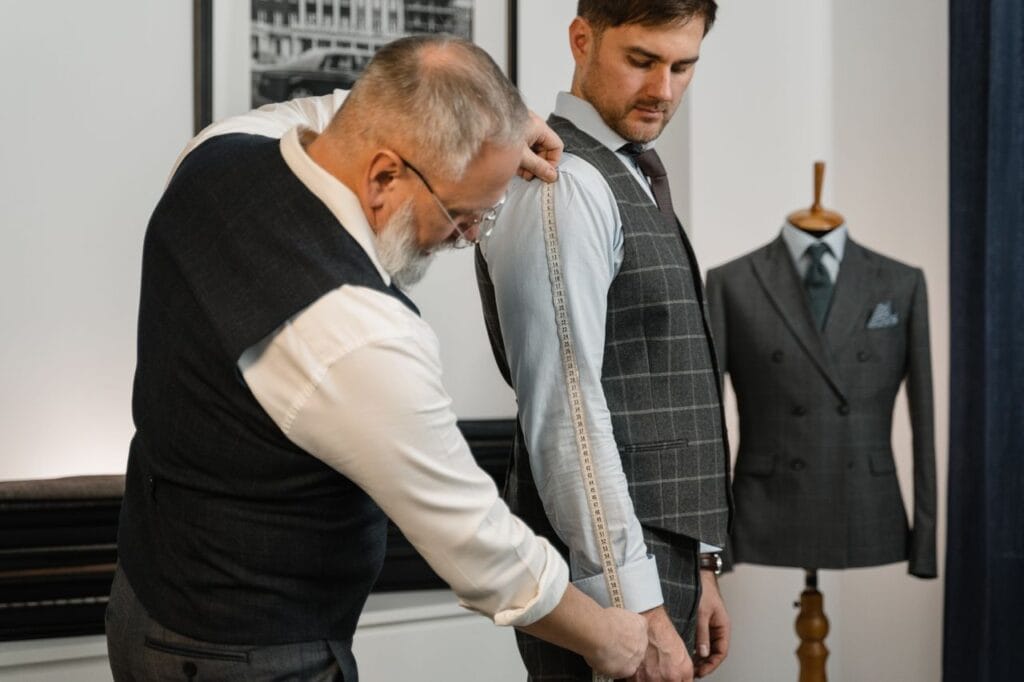

For most of the past decade, the suit seemed headed for retirement. Offices went casual, remote work normalized sweatpants on video calls and even red carpets filled up with hoodies and oversized sets. Yet scroll through social feeds, award shows or wedding photos today and the suit is back, often worn by people who never owned one before. The comeback is not about returning to the old dress code. It is about a different reason to wear one.
From obligation to choice
A generation ago, many men wore a suit because the job required it. The garment carried associations with offices, conformity and long commutes. Now that most workplaces no longer demand one, wearing a suit has become a deliberate choice rather than a uniform. That shift changes how it is perceived. A suit at a birthday dinner or a gallery opening reads as intentional, even playful, instead of corporate.
Social media amplifies that effect. Outfit videos, “get ready with me” clips and style breakdowns have made tailoring feel accessible. Viewers see how a jacket is pinned, how trousers are hemmed and how one suit can be styled five ways. What once felt like a dress code is now content.
What the new suit looks like
The silhouette has changed as much as the attitude. The very slim, short-cut suits of the early 2010s have given way to relaxed shapes. Trousers are wider and often pleated, jackets have softer shoulders and fabrics lean toward texture: flannel, linen, corduroy and brushed wool.
Color is back too
Navy and charcoal remain staples, but brown, olive, cream and muted greens have become common choices. Many people wear the jacket and trousers separately, pairing them with knitwear, T-shirts or even sneakers. The suit functions less as a single outfit and more as two versatile pieces.
Why fit became the main event
As the fast-fashion cycle drew more criticism, interest shifted toward clothes that fit well and last longer. That has pushed more people toward custom made suits, where measurements, fabric and details are chosen individually instead of adjusted after the fact. The appeal is practical as much as aesthetic: a suit built around your body tends to be worn more often, which lowers the cost per wear.
Fit also explains why tailoring photographs so well. A jacket that sits cleanly at the shoulders and a trouser that falls without wrinkles look sharp on camera from every angle, something oversized streetwear cannot always guarantee.
The black tie revival
Formal events are returning in force as well. Weddings, galas and themed parties increasingly ask for black tie, and many guests discover that renting a tuxedo that almost fits is not the experience they want. Anyone who has searched for tuxedo near me the week before a big event knows how quickly good options disappear. Owning a tuxedo has started to make sense for people who attend more than one formal event a year.
The tuxedo itself is loosening up. Velvet dinner jackets, midnight blue instead of black and turtlenecks instead of bow ties show up at events that once demanded strict formality.
Who is driving the trend
Younger buyers play a big role. Many grew up in a casual default, so a suit feels novel rather than restrictive. Musicians, athletes and actors have helped by treating tailoring as a style statement: bold colors on the red carpet, suits worn without shirts or with jewelry, and relaxed cuts that break with tradition. The result is a garment that feels less like a rulebook and more like a canvas.
How to join in without overthinking it
Start with one versatile suit in a mid-weight fabric and a color you can wear both together and apart, such as navy, brown or olive. Focus on fit before trends, since a relaxed cut still needs clean shoulders and the right trouser length. Wear the pieces separately to get more use out of them, pairing the jacket with jeans and the trousers with knitwear. If you attend several formal events a year, consider buying a tuxedo instead of renting one. And have fun with it: the modern suit is no longer about blending in, but about choosing how you want to show up.