

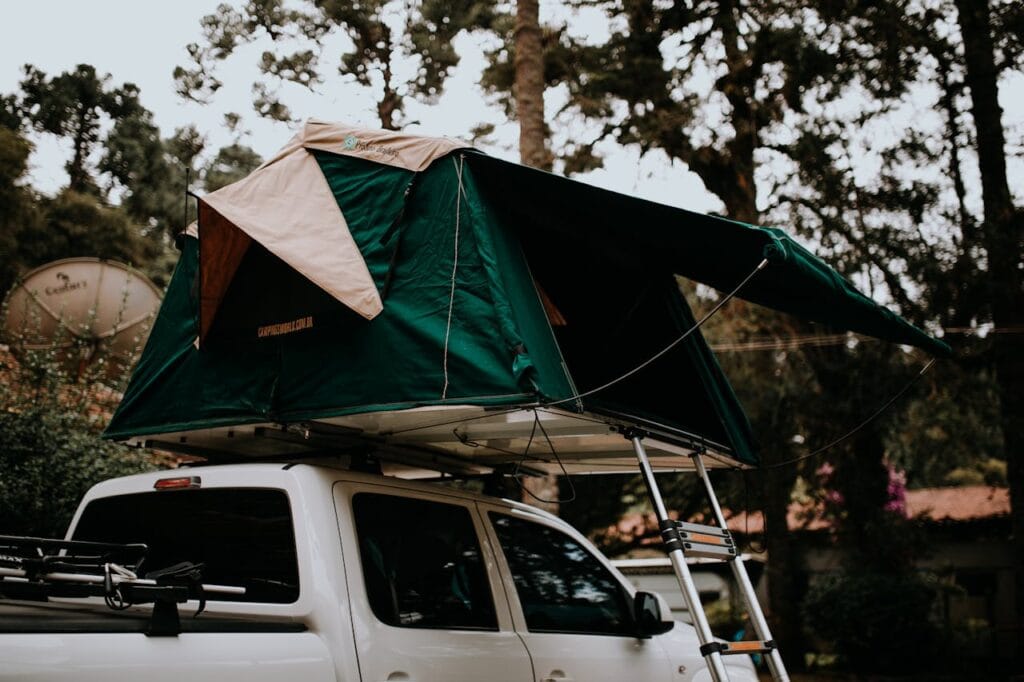

American field crews, survey teams, and outdoor professionals often need overnight accommodation at remote sites. Ground tents expose sleepers to moisture, insects, and uneven terrain. A 140 centimeter roof top tent mounts on vehicles to provide elevated, weather-protected sleeping quarters. United States industries including forestry, pipeline inspection, and wildlife management, use these tents for crew housing during extended field assignments. This equipment serves professionals needing efficient, comfortable overnight shelter.
Technical Overview and Field Applications
The tent measures 140 centimeters in width. The fold-out aluminum design deploys in seconds using a telescopic ladder. Weight is 101 pounds for easy handling. The aluminum alloy frame with reinforced nylon joints provides structural rigidity. A 3 inch high-elastic foam mattress with double-layered padding supports sleeping comfort. The waterproof silver-coated fly and large eaves offer rain protection and heat insulation. One door and three mesh windows provide ventilation while blocking insects.
Field applications include forestry crew overnight housing, pipeline inspection team accommodation, wildlife research base camps, remote construction crew quarters, and emergency response personnel shelter.
Efficiency and Safety Contributions
Setup time under 60 seconds allows crews to rest quickly after long shifts. Vehicle mounting keeps the tent off wet or rocky ground. The 101-pound weight suits solo installation and removal. A telescopic ladder supports up to 330 pounds. The rainproof cover protects the folded tent during vehicle travel. The included LED light strip provides interior illumination after dark.
Elevated design reduces exposure to ground moisture, snakes, and insects. The waterproof fly keeps occupants dry during rain. Mesh windows block mosquitoes while allowing airflow. The aluminum frame resists wind gusts. A shoe bag keeps dirty footwear separate from the sleeping area. Storage bags organize small gear.
Technical Specifications
Width: 140 centimeters. Tent weight: 101 pounds. Mattress thickness: 3 inches (double-layered foam). Ladder type: telescopic aluminum alloy, removable, supports 330 pounds. Capacity: 1 to 2 persons. Window configuration: 1 door, 2 side windows, 1 rear window. Weather rating: waterproof and heat-insulated with double silver-coated fly. Vehicle compatibility: sedan, sport utility vehicle, van, trailer, mid-size, and full-size trucks.
Performance Factors
The aluminum alloy frame withstands wind speeds up to 30 miles per hour. The silver-coated fly reflects solar heat, keeping interior temperatures 10 to 15 degrees cooler than non-coated tents’. The 3-inch foam mattress provides insulation from cold vehicle roofs.
Clean the tent fabric with mild soap and water after dusty trips. Lubricate zippers annually with silicone spray. Check ladder lock mechanisms before each use. Inspect mounting brackets for tightness. Air out the tent completely before long-term storage.
Safety Best Practices
- Verify roof rack weight capacity before mounting
- Engage ladder locks fully before climbing
- Remove shoes before entering tent
- Close mesh windows when cooking nearby
- Use included rainfly during wet conditions
Never exceed ladder weight limit of 330 pounds. Do not set up tent on vehicles with damaged roof racks. Keep the tent interior free of food to deter animals. Lower the tent before driving. Secure all straps before highway travel.
Equipment Types and Accessories
Rooftop tents range from 120 to 200 centimeters in width. This 140-centimeter model suits single occupants or couples. Accessories include an annexe room for changing or gear storage. An insulation liner for cold weather use. A mattress topper for extra comfort. A shoe bag for organizing footwear. An LED light strip extension for brighter interior illumination.
Advantages and Limitations
Advantages:
- 140 centimeter sleeping width
- 60 second setup time
- 101 pound lightweight design
- Aluminum alloy frame
- 3 inch foam mattress included
- Waterproof silver-coated fly
- Three mesh windows for ventilation
Limitations:
- Not for extreme winter camping
- Requires compatible roof rack
- Ladder touch point vulnerability
- Reduces vehicle fuel economy
- Indoor changing space limited
Real-World United States Case
A United States forestry service crew in Montana conducted 10-day wildlife surveys in remote areas. Ground tents exposed crews to wet soil and insect bites. Management purchased a 140 centimeter roof top tent. The tent mounted on a crew truck with existing roof rack. Setup time dropped from 15 minutes to under 2 minutes per night. Crews reported improved sleep quality and fewer insect disturbances. The tent remained dry during two overnight rainstorms. The silver-coated fly kept interior temperatures comfortable during 85 degree days. The forestry service equipped three additional trucks with similar tents.
Conclusion and Future Industry Trends
United States field operations need efficient, weather-protected overnight solutions. Rooftop tents offer elevated sleeping quarters that deploy quickly and pack compactly. Future designs may include integrated solar panels for device charging. Self-inflating mattress systems could reduce setup effort. Hard-shell versions may improve weather resistance for winter use. Field supervisors should evaluate rooftop tents for any remote crew requiring overnight stays. The combination of 140 centimeter width and aluminum construction makes this tent suitable for diverse United States field operations.