

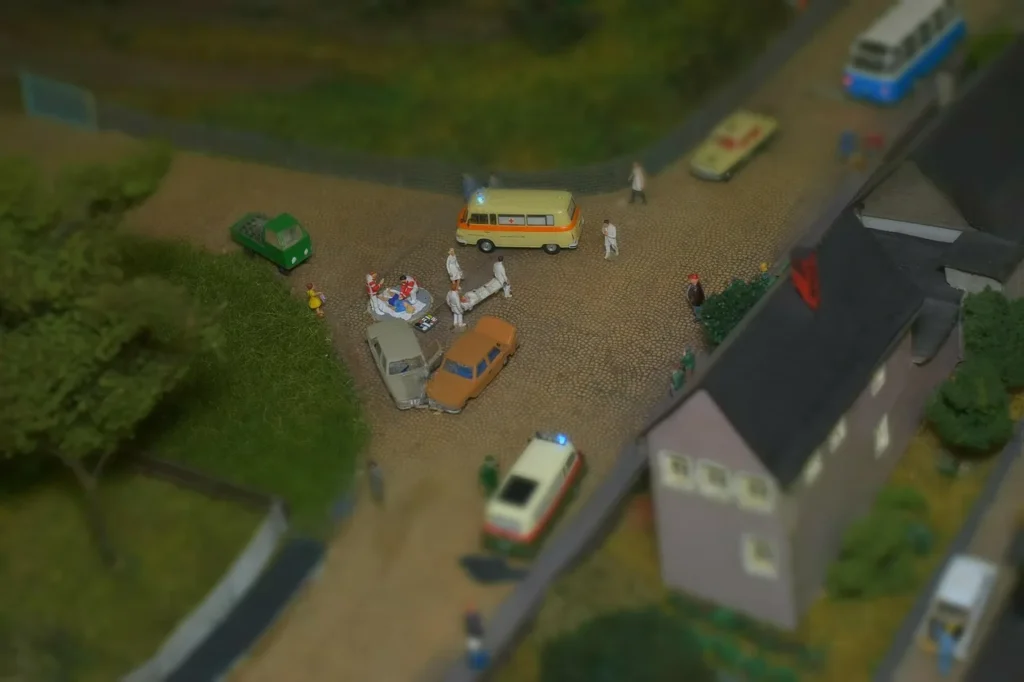

Car crashes remain one of the most common reasons ordinary people suddenly find themselves juggling doctors, adjusters and body shops in the same week. Very few drivers plan for that moment, which is why so many feel lost once the shock wears off. The choices made in the first hours and days often determine how smoothly the rest of the process goes. A little preparation goes a long way toward keeping a bad day from turning into a bad year.
The basic tasks are simple on paper, yet they slip away easily when adrenaline takes over. Checking on everyone involved, calling for help, taking photos and trading information all sound obvious until traffic is honking and a damaged car is blocking a lane. Afterward come the medical visits, the paperwork and the phone calls from insurers who want answers quickly. Knowing what to expect at each stage helps injured people protect their health and their finances. The sections below cover the questions people raise most often after a collision, from the first phone call with an adjuster to the habits that keep drivers safer afterward.
Why the Claim Is About More Than the Car
Insurance adjusters often reach out within a few days, sometimes before an injured person has even finished seeing doctors. Courtesy is fine, but nobody is required to give a recorded statement or accept the first offer on the spot. As outlined by victoryinjurylaw.com, a crash claim can include medical bills, lost income, future treatment and the way an injury disrupts everyday life, not just the cost of fixing a bumper. A car accident lawyer can help an injured person see the full value of what was lost before anything is signed. The attorneys at Langley Still & Foss Lawyers represent people working through exactly these kinds of claims.
South Carolina is an at-fault state, meaning the bills for a collision usually land with whoever caused it and with that person’s insurance company. That is why the details gathered at the scene carry so much weight later. A police report number, clear photographs and the names of witnesses help establish what really happened. Injury claims also come with filing deadlines, so waiting too long can shut doors that would otherwise stay open. Once a settlement is signed, it is usually final even if new problems surface months afterward.
Busy Corridors and the Moments After Impact
Commuters in Spartanburg know that certain roads call for extra focus. Heavy volume on I-85, the interchange with I-26 and a constant stream of freight trucks make stop-and-go traffic part of daily life. Sudden lane changes and rush-hour backups create ideal conditions for rear-end collisions and sideswipes. Construction zones add narrowed lanes and unexpected merges, which catch out-of-town drivers in particular. Afternoon summer storms can also soak the pavement within minutes, cutting traction and visibility at the same time.
If a collision happens, move somewhere safe if possible, switch on the hazard lights and call for help. Photograph the vehicles, the road surface and any visible injuries before cars are moved. Swap names, phone numbers and insurance details with the other driver, and write down contact information for anyone who saw the crash. A glove box kit with an insurance card, a pen and a phone charger takes minutes to assemble and proves its worth when it is needed most.
Getting Medical Care Without Delay
Seeing a doctor soon after a crash matters even when you feel fine. Concussions, whiplash and back injuries can take hours or even days to announce themselves. Prompt treatment protects your health and creates a record linking the injury to the collision. Describe exactly how the crash happened so the doctor knows what kinds of injuries to look for. Ask for copies of each visit summary, because those notes often become the foundation of a claim.
Insurers read medical records carefully, and gaps in treatment often lead them to question how serious an injury really is. Following the treatment plan and keeping every appointment closes those gaps before they cause trouble. When a doctor recommends a specialist or physical therapy, book the visit promptly rather than waiting to see if things improve. Missed appointments are easy to explain in the moment but hard to justify months later.
Building a Paper Trail That Holds Up
Start a single folder for everything connected to the crash. It should hold the police report number, photos, repair estimates, medical bills, pharmacy receipts and notes about any time missed from work. Add copies of letters and emails from insurers, along with the date of each phone call and the name of the person you spoke with. Organized records make every later conversation shorter and more productive. Scanning each item into a phone or cloud folder creates a backup if the paper copies are ever lost.
A brief daily journal can also be valuable. Notes about pain levels, sleep problems and activities you can no longer manage help show how the injury changed ordinary life. Small details, such as needing help carrying groceries or missing a child’s ball game, fade from memory quickly once weeks start to blur together. Writing them down while they are fresh gives a far more accurate picture than trying to recall them later. Family members can add their own observations, since they often notice changes the injured person misses.
Safer Habits for the Months Ahead
The habits that prevent crashes have not changed much over the years. Stay alert, leave generous following distance and slow down early when rain starts to fall. Keep the phone out of reach and set the navigation route before leaving the driveway. Those small choices prevent many collisions before they begin, and they make it easier to stay calm if something goes wrong anyway. Turning on headlights during a downpour also helps other drivers spot your vehicle sooner.
When a crash does happen, the priorities remain simple even when the moment feels overwhelming. Get medical care quickly, document everything and ask questions before signing any paperwork. People who handle those basics well tend to find the months that follow far less stressful. They also give themselves a fair chance to recover both their health and their financial footing. A crash can upend a season, but it does not have to define the year that follows.