

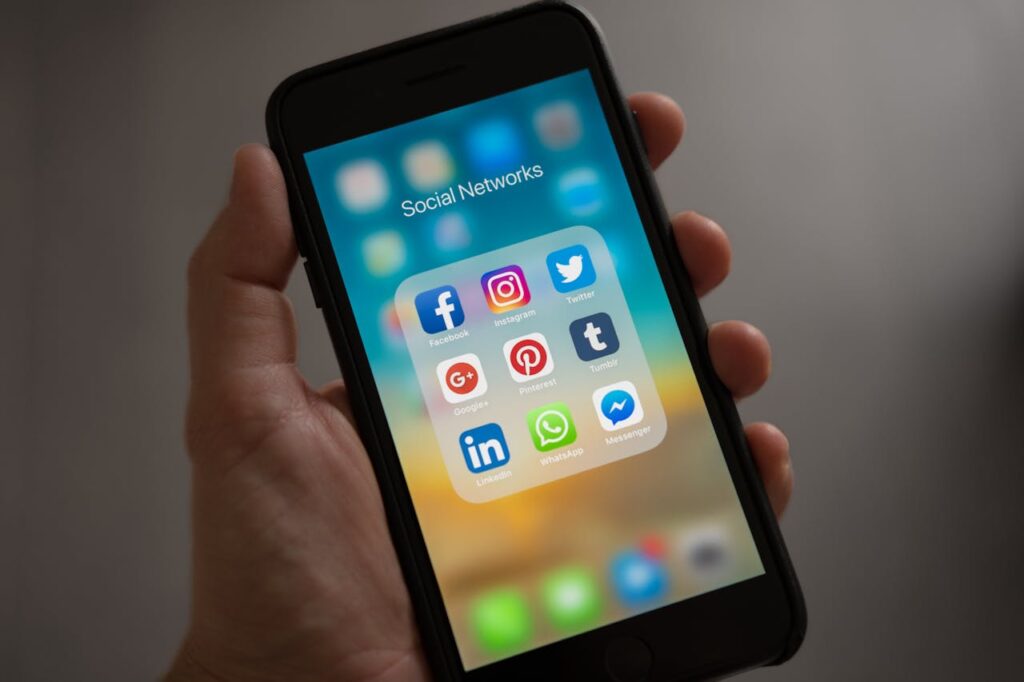

Social media has become an inseparable part of daily life, shaping how people communicate, share experiences, and build connections.
For individuals entering addiction recovery, however, this digital world presents unique challenges.
Recovery centers are increasingly faced with a difficult question: should social media use be restricted during treatment?
The answer isn’t straightforward. While social media can foster community and provide inspiration, it can also expose individuals to triggers, comparisons, and misinformation that jeopardize progress.
Understanding the benefits, risks, and potential policies around social media use and its impact on metal health is essential for recovery professionals and patients alike.
The Case for Restricting Social Media
1. Avoiding Triggers
Social media often exposes users to content glamorizing alcohol, drugs, or unhealthy lifestyles.
Even seemingly harmless posts—such as a party photo—can create cravings or feelings of missing out (FOMO). For individuals in the vulnerable early stages of recovery, this exposure can be dangerous.
2. Reducing Negative Comparisons
Recovery is a deeply personal journey. On social platforms, however, individuals may compare their progress with curated, filtered images of others’ lives.
This can lead to shame, self-doubt, or the belief that one’s recovery isn’t “good enough.”
3. Protecting Privacy
Posting personal details online can expose individuals to judgment, stigma, or unwanted contact.
Recovery is most effective when patients feel safe and supported; unrestricted social media use may undermine confidentiality.
4. Limiting Distractions
Treatment programs often encourage mindfulness, presence, and self-reflection.
Constant scrolling or engaging in online drama can prevent patients from fully immersing themselves in therapy and support activities.
5. Preventing Online Harassment
Unfortunately, social media isn’t always a safe space. Cyberbullying, negative comments, or exposure to toxic communities can destabilize emotional well-being and increase relapse risk.
The Case Against Strict Restrictions
1. Social Media as a Support Tool
Many individuals find motivation and strength from online recovery communities. Hashtags like #SoberLife and groups on platforms like Reddit or Facebook can connect patients with people who understand their struggles.
2. Building Accountability
Some patients use social media to document their recovery journey, publicly celebrating milestones and holding themselves accountable. Restricting access may limit this source of encouragement.
3. Staying Connected with Loved Ones
For patients far from home, social media may serve as a vital communication channel with friends and family. Removing this link could increase feelings of isolation.
4. Developing Healthy Digital Habits
Social media is unlikely to disappear from modern life. Completely restricting it during treatment may delay the opportunity for patients to learn balanced, healthy online habits that support long-term recovery.
A Balanced Approach: Structured Social Media Use
Instead of an all-or-nothing policy, many experts recommend structured and guided use of social media in recovery programs. This approach acknowledges both risks and benefits.
Possible Strategies:
- Digital Detox Periods: Encourage patients to take breaks from social platforms during the initial treatment phase.
- Guided Access: Allow use during specific times or for recovery-related purposes only.
- Digital Literacy Training: Teach patients how to identify triggers, misinformation, and toxic online environments.
- Therapeutic Integration: Use social media posts as discussion points in group or individual therapy, exploring their emotional impact.
- Privacy Awareness: Educate patients about safe sharing practices to protect personal information.
What Recovery Centers Can Do?
Recovery centers should create policies that prioritize patient well-being without being overly punitive. Some best practices include:
- Individualized Guidelines: Recognize that some patients may benefit from social media use while others are more vulnerable to harm.
- Collaborative Rules: Involve patients in setting boundaries, making them active participants in shaping their digital wellness.
- Ongoing Evaluation: Regularly review policies to adapt to evolving digital trends and patient needs.
- Encourage Alternatives: Promote in-person support groups, journaling, or mindfulness exercises as healthier outlets for expression.
Conclusion
The debate over whether recovery centers should restrict social media use highlights the complexities of modern recovery.
While unrestricted access can expose patients to serious risks, total bans may deprive them of valuable connection and support.
The most effective approach lies in balance: structured, mindful social media use supported by education and therapeutic guidance.
By empowering individuals to develop healthy digital habits during treatment, recovery centers can prepare them not only for sobriety but also for life in today’s connected world.
Disclaimer:This article is intended for educational and awareness purposes only. We do not promote, encourage, or endorse the use of drugs or harmful behaviors in any way. The sole aim of this content is to highlight the risks associated with social media pressure and drug abuse, and to provide information that supports prevention, awareness, and healthy choices. If you or someone you know is struggling with substance abuse, please seek professional help or contact local support services.