

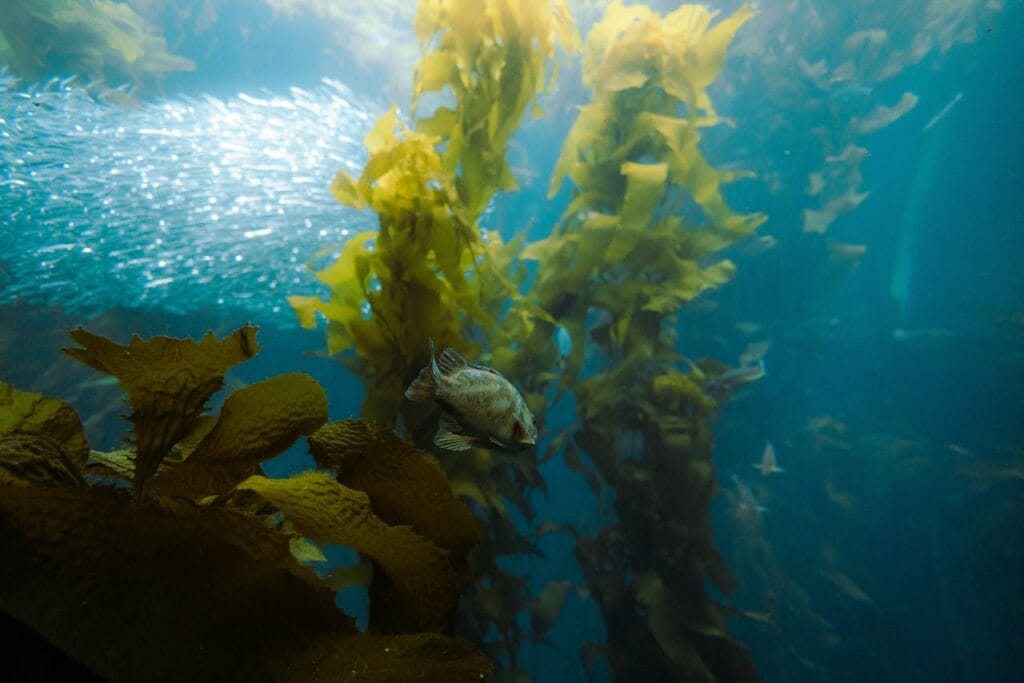

Underneath the surface waves exists a world that is beyond human comprehension. The aquatic world is habitat to numerous plants that thrive underwater. Besides being appealing to the sight, these underwater plants play a vital role in maintaining the balance in the aquatic world. Their importance in keeping the ecological environment maintained often gets overlooked.
This guide will dive into the various underwater plants names, their pros, cons and overall provide you with a better understanding of the underwater flora.
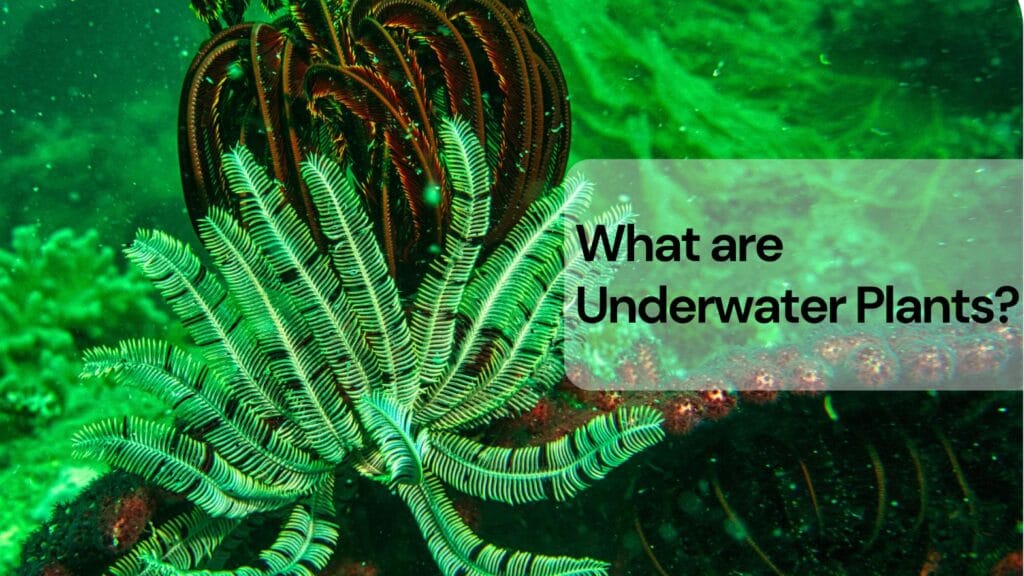
What are Underwater Plants?
There are multiple ames of underwater plants, one being submerged aquatic vegetation. It is a species that grows partially or completely submerged in water bodies. These plants have adapted to the environment of lakes, ponds, seas, lakes etc and thrive under low light, almost zero soil contact and different oxygen levels.
Most of these underwater plants names live up to their titles because,unlike land plants, they absorb all their nutrients directly from the water. Not only this, they also improve water quality and support biodiversity.
By using Pinterest hashtags generator you can get tags that will lead you to aesthetic pictures and more information on underwater plants that interest you.
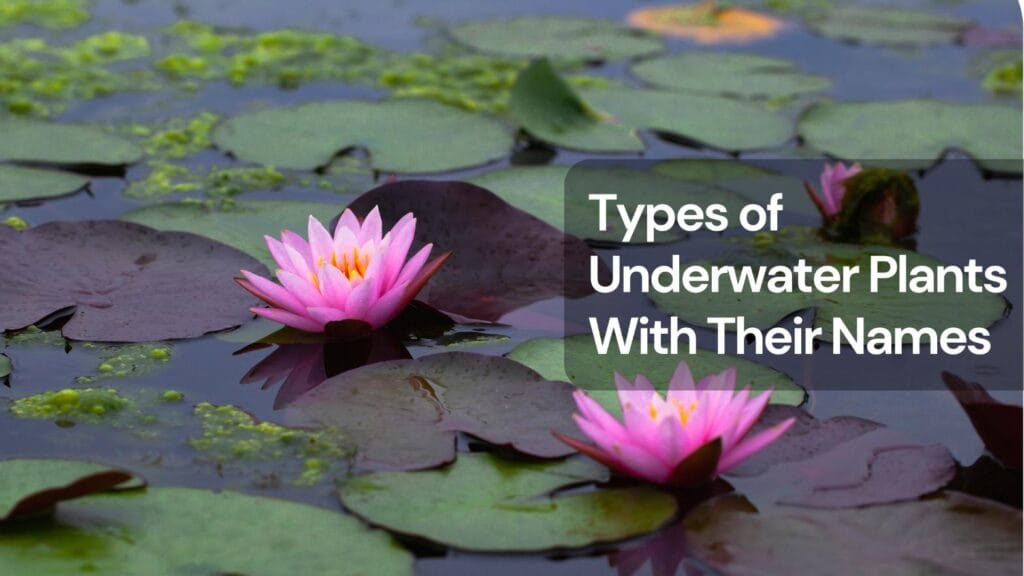
Types of Underwater Plants With Their Names
Like the names of underwater plants suggest, they come in a lot of variety. Each species has their unique features and biological advantages. All these types contribute in their own way to the aquatic world.
In this guide we will learn the various underwater plants names and their functions as well as types. This will help you explore the flora with a fresh perspective. A comprehensive section like this is perfect for nature enthusiasts who enjoy learning about various plants.
- Submerged Plants
- Hydrilla (Hydrilla verticillata)
- Elodea (Elodea canadensis)
- Eelgrass (Vallisneria americana)
- Hornwort (Ceratophyllum demersum)
- Cabomba (Cabomba caroliniana)
- Floating-Leaved Plants
- Water Lily (Nymphaea spp.)
- Lotus (Nelumbo nucifera)
- Floating Heart (Nymphoides spp.)
- Spatterdock (Nuphar lutea)
- American Pondweed (Potamogeton nodosus)
- Free-Floating Plants
- Duckweed (Lemna minor)
- Water Hyacinth (Eichhornia crassipes)
- Water Lettuce (Pistia stratiotes)
- Azolla (Azolla pinnata)
- Salvinia (Salvinia molesta)
- Algae (Non-Flowering Aquatic Plants)
- Spirogyra
- Chara (Stonewort)
- Cladophora
- Ulva (Sea Lettuce)
- Oscillatoria
Nature enthusiasts can also check out our article on medicinal plants and learn about their benefits.
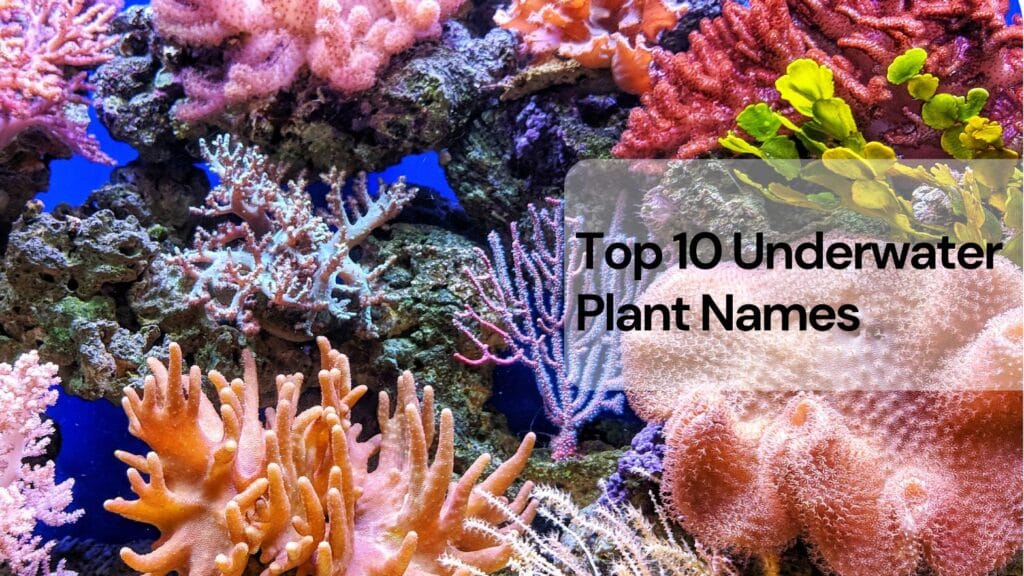
Top 10 Underwater Plant Names
Some species stand out not because of their underwater plants names but because of their adaptability and popularity in aquatic cultivation. From being found in freshwater bodies, artificial ones like aquariums to never ending ocean beds, these plants are essential for oxygenating the water, preventing growth of algae and so much more.
Through this list of top ten underwater plants names we aim to provide recognition to this species and highlight their contribution towards the environment.
- Hydrilla (Hydrilla verticillata)
- Eelgrass (Vallisneria americana)
- Elodea (Elodea canadensis)
- Hornwort (Ceratophyllum demersum)
- Cabomba (Cabomba caroliniana)
- Water Lily (Nymphaea spp.)
- Lotus (Nelumbo nucifera)
- Duckweed (Lemna minor)
- Water Hyacinth (Eichhornia crassipes)
- Sea Lettuce (Ulva lactuca)
Explore other species under the waves with our article on aquatic plants names and get to know more about interconnection between the marine flora and fauna!
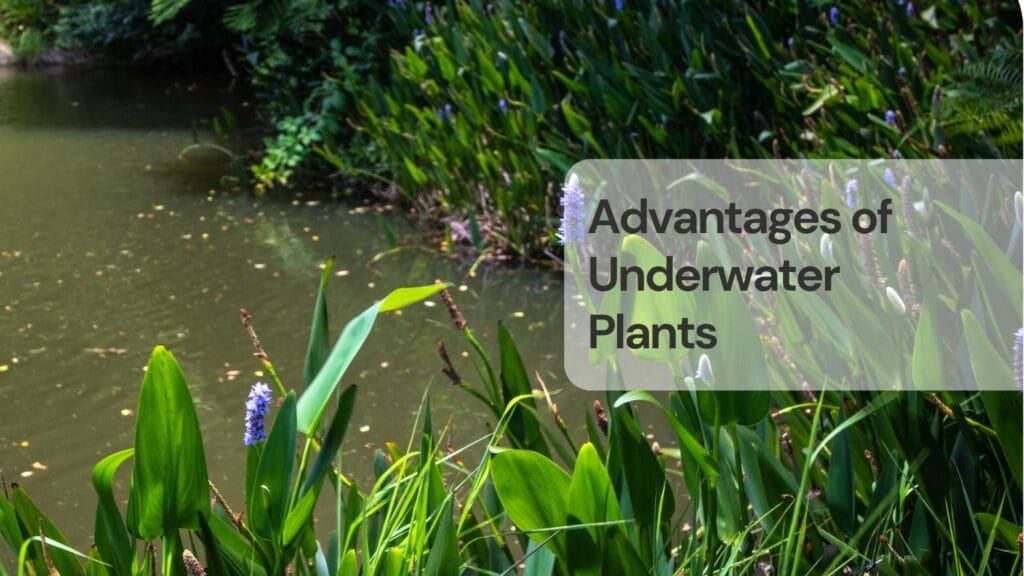
Advantages of Underwater Plants
Underwater plants names suggest that they bring a multitude of benefits to the marine life and aquatic ecosystem, but beyond that, they also serve humans with lots of advantages like improving aesthetics of aquariums, and other interests like fisheries. They absorb excess nutrients which improves water quality and makes it a better shelter for the aquatic fauna. Moreover, they are able to photosynthesise underwater, making them important oxygen producers.
- Pondweed (Potamogeton crispus)
- Anacharis (Egeria densa)
- Salvinia (Salvinia molesta)
- Water Lettuce (Pistia stratiotes)
- Najas (Najas guadalupensis)
- Floating Heart (Nymphoides indica)
- Red Ludwigia (Ludwigia repens)
- Azolla (Azolla pinnata)
- Chara (Chara vulgaris)
- Bladderwort (Utricularia spp.)
Hashtags for beaches can also lead you to places with vast oceans where you can explore your interest in underwater plants names.
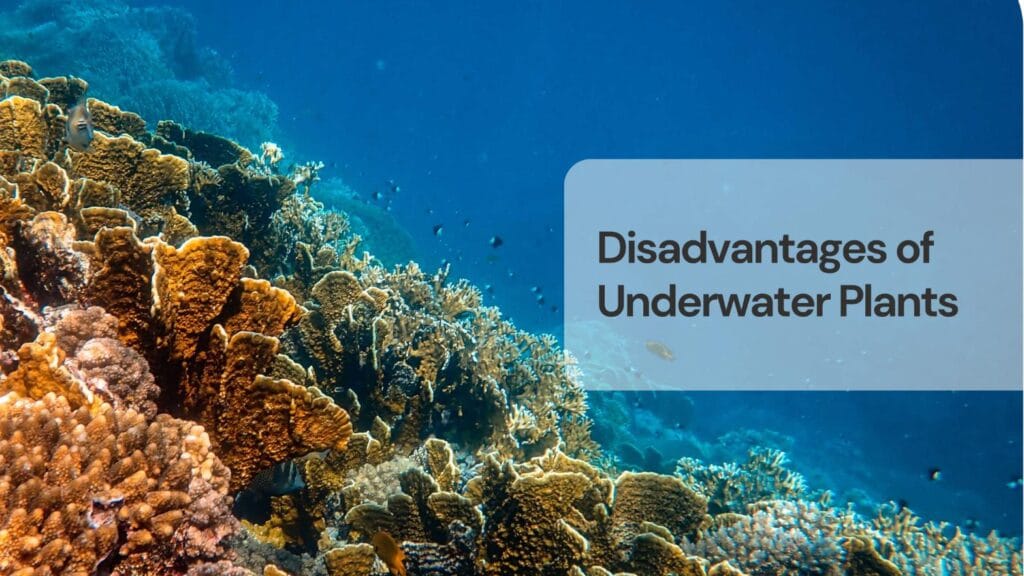
Disadvantages of Underwater Plants
Some of the challenges posed by underwater plants are clogging of waterways, invasion which disrupts navigation and overgrowth of some species, names of underwater plants like this have been mentioned below. Too much growth of these plants may also lead to reduction of oxygen levels. They require careful maintenance and care, especially in manager water bodies like aquariums.
- Hydrilla
- Water Hyacinth
- Duckweed
- Salvinia
- Egeria densa (Anacharis)
- Cabomba
- Bladderwort
- Chara (Stonewort)
- Azolla
- Ceratophyllum (Hornwort)
A guide on different trending types of aquariums can help you select the best one for your choice of underwater plants.
Wrapping Up
In this guide, we focused on highlighting the names of underwater plants as they are a very underappreciated species of flora. They play multiple roles and have various functions,from supporting biodiversity to water purification, their qualities often get overlooked.
Whether you’re studying them in their natural habitat or observing in artificial systems, understanding the underwater plants names is a way of showing admiration for the complexity of nature.