

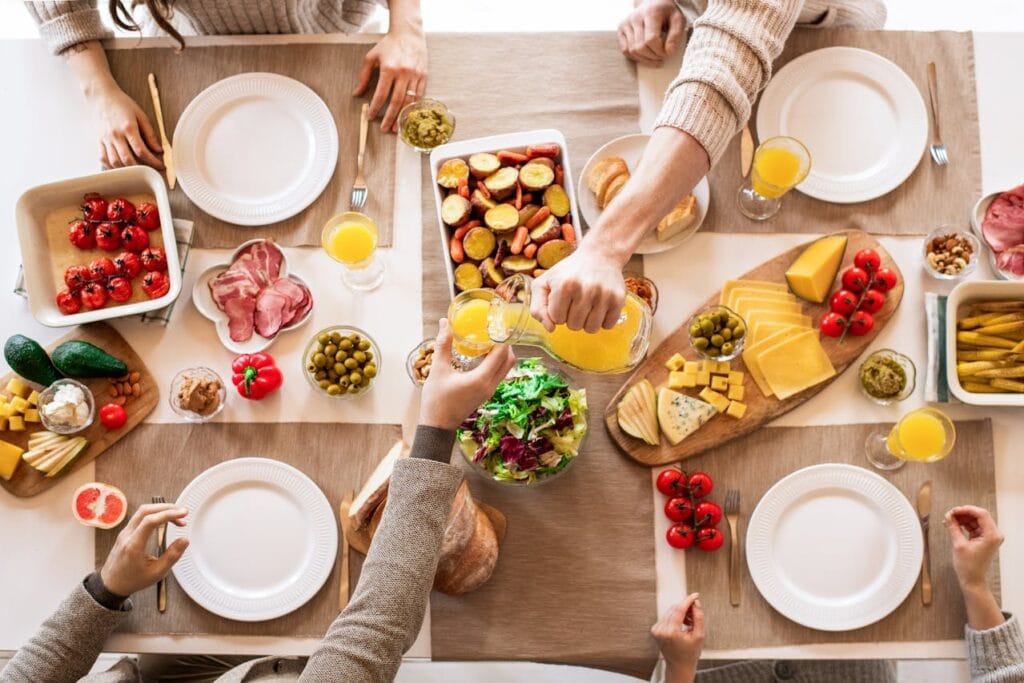

Healthy eating used to sound like a big lifestyle change. For many people, it meant strict meal plans, long grocery lists, and giving up foods they liked. Today, it looks much more practical. People are building better eating patterns through small choices, like reading labels, keeping simple staples at home, planning meals around busy weeks, and choosing food that fits both health goals and real life.
To build this guide, current food shopping habits, nutrition guidance, and everyday lifestyle trends were reviewed to see how small choices are changing the way people eat.
Small Food Choices Are Becoming Daily Health Decisions
Healthy eating is no longer limited to what happens at dinner. It starts much earlier, often with what lands in the cart. A person who keeps fruit, eggs, greens, whole grains, and easy proteins at home is more likely to build balanced meals during the week.
This is where convenience now plays a bigger role. People do not always need more nutrition advice. They need healthy options to be easier to choose. A service built around healthy grocery delivery can support that shift by helping shoppers bring better-for-you ingredients into the home without adding another long errand to the week.
The future of healthy eating will likely depend less on perfect discipline and more on smart defaults. When better foods are already in the fridge, healthy meals feel less like a project. A bowl with grains, roasted vegetables, and a protein can come together faster than takeout. A smoothie can replace a skipped breakfast.
This matters since many adults still fall short on produce. The CDC continues to track fruit and vegetable intake as a key public health measure, and the gap shows that access, time, and routine all matter.
Convenience Is Changing What “Eating Well” Looks Like
Busy schedules have changed the meaning of a healthy meal. A home-cooked dinner does not always mean a full recipe made from scratch. It might mean a quick stir-fry, a salad with a ready protein, or a sheet-pan meal using ingredients already on hand. The goal is not to cook like a chef. The goal is to eat in ways that support energy, focus, and long-term health.
That shift is shaping grocery habits. Online shopping, planned baskets, and repeat purchases can help people avoid random impulse buys. They also make it easier to stick with core ingredients. Instead of walking through every aisle, shoppers can build around meals they already know they enjoy.
Healthy eating is also getting more personal. Some people look for high-protein breakfasts. Others care about fiber, lower sugar, plant-forward meals, or fewer ultra-processed snacks. Families may need quick dinners that work for kids and adults. Singles may want groceries that will not go bad before the end of the week.
This is why modern food routines are moving away from all-or-nothing thinking. A person can eat vegetables at lunch, enjoy dessert after dinner, and still be building a healthier pattern. Progress often comes from the meals eaten most often, not the occasional treat.
A few everyday habits are helping shape this new approach:
- Keep two or three easy proteins ready, such as eggs, beans, tofu, chicken, fish, or Greek yogurt.
- Pick one flexible grain or base for the week, such as rice, quinoa, oats, or whole-grain pasta.
- Add color before adding rules, using greens, berries, peppers, carrots, tomatoes, or frozen vegetables.
- Use sauces, herbs, and spices to make healthy meals taste less plain.
- Plan for the busiest night first, not the easiest one.
These habits work since they reduce friction. Instead of asking, “What should be eaten?” at the end of a long day, the answer is already waiting in the kitchen.
Better Habits Are Making Healthy Eating More Flexible
The next stage of healthy eating is not about one diet winning over another. It is about flexibility. People want food that supports health, but they also want taste, ease, budget control, and less waste. That mix is pushing shoppers to think differently about what belongs in a healthy kitchen.
Frozen produce is a good example. It used to be treated as a backup option. Now it is a smart staple for smoothies, soups, stir-fries, and quick sides. Canned beans, lentils, tuna, nut butters, oats, and whole-grain wraps can also make healthy meals easier without raising the grocery bill too much.
Label reading is another habit with long-term impact. Shoppers are paying more attention to added sugar, sodium, fiber, protein, and ingredient lists. They may not study every package, but they are learning which products fit their routine. Over time, those repeat choices can change the whole pantry.
Meal planning is changing, too. It does not need to be a detailed calendar. A simple plan might include three dinners, two breakfast options, and a few snacks. That leaves room for leftovers, social plans, and cravings.
The social side of food is also shifting. People share simple recipes, grocery finds, and meal prep ideas online. That makes healthy eating feel less private and less intimidating. A quick lunch bowl or five-minute breakfast can inspire someone else to try the same thing.
The Future of Healthy Eating Starts at Home
Healthy eating is becoming less about strict rules and more about better systems. When people make useful habits easy, the results can show up in small but meaningful ways. More produce gets eaten. Fewer meals are skipped. Grocery shopping feels less random. Cooking at home becomes more realistic.
The future will likely belong to food choices that fit modern life. People need options that save time, support health goals, and still taste good. That is why the most powerful habit may be simple: keep better food within reach. Once that happens, healthy eating becomes less of a goal and more of a normal part of the day.