

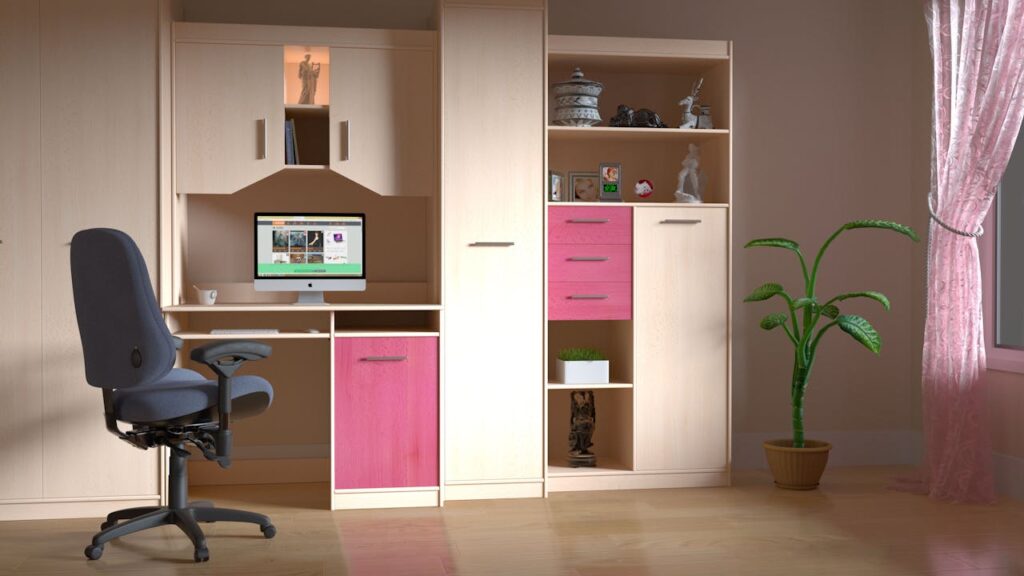

The interior design industry is continually changing as people look for homes that express their style and meet their needs. Recent surveys show that 73% of people who own homes plan to update at least one room that fit their lifestyle. Today’s design trends prioritize comfort, sustainability, and individuality through elements such as biophilic design and technology integration.
Embracing Natural Materials and Textures
Nowadays, the most popular shifts in standard interior design are towards natural materials. Decor pieces like wood, stone, rattan, and clay are now the main characters of the home design. This trend expresses that the global market for sustainable furniture is expected to hit $68 billion by 2027. Homeowners are using things like old wood for their beams, natural fiber carpets, and stone kitchen tops to build homes that they can relate to and feel comfortable in.
The Rise of Multifunctional Spaces
Remote working setups have resulted in people wanting their living spaces to cater to different needs. Data shows that around 35% of American workers are working in a hybrid manner, which means that they need to have spaces at home that feel personal and professional. A single room can be used for four different purposes if you use a Murphy bed, fold-down desks, and modular furniture give yourself both style and functionality.
Earthy and Warm Color Palettes
The minimalism of a few years ago has led to the introduction of warmer and more appealing color hues. Nowadays, terracotta, sage green, warm beige, and clay colors are the most preferred shades to create a relaxing atmosphere. Color psychology research suggests that earth tones can bring down anxiety by as much as 60%, which is why these colors are widely used in bedrooms and living rooms. These colors also work well with the natural materials, thus highlighting the real character of the indoor space and nature.
Curved Furniture and Soft Lines
Angular, geometric furniture is now replaced to items with soft curves and rounded corners. This move towards smoother shapes not only makes a space cozier, but also lessens the visual impact of any sharpness. Curved sofas, round coffee tables, and arched doorways have gained popularity. The queries for curved furniture have increased by more than 80% over the last two years. The effect is not only on the furniture but also on the buildings, as arched windows and rounded recesses.
Statement Lighting Fixtures
Lighting is no longer limited to a functional purpose but has become a major element of interior decoration. Homeowners are choosing light fixtures not only for illumination but also as design features of their rooms. Oversized pendant lights, floor lamps with a sculptural look, and some chandelier fans are perfect examples of balanced light and art. The worldwide decorative lighting industry is predicted to be worth more than $90 billion by 2028, which indicates that lighting plays a vital role in the atmosphere and style of a space.
Biophilic Design Elements
Nature’s integration in-house interiors has moved beyond simple houseplants to the full biophilic design principles. Research has shown that if biophilic design is adopted, not only does the productivity of people increase by 15%, but also their household well-being. So, it’s a trend to make it indispensable for working from home as well as for the main living areas. The installation of the big glass panels on the walls, skylights, and glass doors are elements that visually unite the interior with the exterior of the house.
Maximalism and Personal Expression
With the trend of minimalism dominance for several years, the emergence of maximalism also impacts personal style statements and collected treasures. This approach supports various patterns and textures that display meaningful objects. A gallery wall exhibiting an extensively curated assortment of art pieces. Nearly 42% of interior designers have noticed a significant peak in their clients’ interests towards maximalist styles, especially among the younger homeowners who are willing to spend the time and effort to create spaces that match their personalities.
Smart Home Integration
The technological installation is common in modern homes, only 69% of the US households have a smart home device. Voice lighting, programmable thermostat, or automated window treatments give you convenience. Such improvements not only add to the overall convenience but also make the home more energy efficient. What distinguishes successful integrations from the rest is the perfect blending of technology and design.
Sustainable and Vintage Pieces
Environmental consciousness motivates people to opt for vintage furniture and sustainable decor. Thanks to the growing trend of using second-hand furniture, the market of reconditioned furniture has shown a growth of 30 percent annually. When a homeowner pairs up the old and the new in his/her interior, they create a multi-dimensional space that supports the principles of a circular economy.
Textured Wall Treatments
Painted walls are getting a fresh look by the addition of different types of textures, which makes the walls more interesting and adds depth. Lime wash, Venetian plaster, textured wallpaper, and wood paneling are used to form surfaces with dimensions that visually change as per the light shifts. These decorative options excite the eye without crowding the space, offering either minimalist or maximalist styles. The market for wall coverings is on the rise, with textured options representing the fastest-growing subcategory, as homeowners are finding new ways to beautify their homes beyond just painting the walls.