

Most͏͏ people͏͏ move͏͏ through͏͏ familiar͏͏ spaces͏͏ without͏͏ giving͏͏ them͏͏ much͏͏ thought.͏͏ Homes,͏͏ workplaces,͏͏ stores,͏͏ sidewalks,͏͏ and͏͏ shared͏͏ buildings͏͏ become͏͏ part͏͏ of͏͏ routine͏͏ life.͏͏ Because͏͏ these͏͏ environments͏͏ feel͏͏ ordinary,͏͏ potential͏͏ risks͏͏ often͏͏ blend͏͏ into͏͏ the͏͏ background.͏͏ Floors,͏͏ lighting,͏͏ entryways,͏͏ and͏͏ walkways͏͏ may͏͏ appear͏͏ harmless,͏͏ yet͏͏ small͏͏ issues͏͏ in͏͏ these͏͏ areas͏͏ can͏͏ affect͏͏ physical͏͏ safety͏͏ in͏͏ ways͏͏ people͏͏ rarely͏͏ anticipate.
Over͏͏ time,͏͏ wear͏͏ and͏͏ tear͏͏ changes͏͏ how͏͏ spaces͏͏ function.͏͏ Surfaces͏͏ become͏͏ smoother,͏͏ uneven,͏͏ or͏͏ damp.͏͏ Lighting͏͏ fades͏͏ or͏͏ fails͏͏ to͏͏ cover͏͏ critical͏͏ areas.͏͏ Objects͏͏ get͏͏ placed͏͏ where͏͏ they͏͏ do͏͏ not͏͏ belong.͏͏ These͏͏ conditions͏͏ rarely͏͏ announce͏͏ themselves͏͏ as͏͏ dangerous,͏͏ which͏͏ is͏͏ why͏͏ they͏͏ remain͏͏ overlooked.͏͏ Awareness͏͏ starts͏͏ with͏͏ recognizing͏͏ that͏͏ everyday͏͏ spaces͏͏ are͏͏ not͏͏ static͏͏ and͏͏ that͏͏ safety͏͏ depends͏͏ on͏͏ continuous͏͏ attention͏͏ rather͏͏ than͏͏ assumption.
Daily͏͏ environments͏͏ also͏͏ change͏͏ based͏͏ on͏͏ weather,͏͏ usage,͏͏ and͏͏ maintenance͏͏ habits.͏͏ A͏͏ floor͏͏ that͏͏ feels͏͏ safe͏͏ one͏͏ day͏͏ may͏͏ become͏͏ slippery͏͏ the͏͏ next͏͏ due͏͏ to͏͏ moisture͏͏ or͏͏ debris.͏͏ Familiarity͏͏ often͏͏ creates͏͏ a͏͏ false͏͏ sense͏͏ of͏͏ security͏͏ that͏͏ reduces͏͏ caution.͏͏ When͏͏ people͏͏ assume͏͏ a͏͏ space͏͏ is͏͏ safe͏͏ because͏͏ it͏͏ always͏͏ has͏͏ been,͏͏ they͏͏ stop͏͏ noticing͏͏ gradual͏͏ changes.͏͏ This͏͏ pattern͏͏ explains͏͏ why͏͏ many͏͏ risks͏͏ go͏͏ unnoticed͏͏ until͏͏ someone͏͏ gets͏͏ hurt.
When͏͏ Simple͏͏ Missteps͏͏ Lead͏͏ to͏͏ Serious͏͏ Harm
A͏͏ momentary͏͏ loss͏͏ of͏͏ balance͏͏ can͏͏ happen͏͏ anywhere.͏͏ In͏͏ the͏͏ context͏͏ of͏͏ a͏͏ slip͏͏ and͏͏ fall,͏͏ the͏͏ cause͏͏ is͏͏ often͏͏ something͏͏ simple͏͏ such͏͏ as͏͏ moisture,͏͏ loose͏͏ flooring,͏͏ clutter,͏͏ or͏͏ poor͏͏ visibility.͏͏ These͏͏ incidents͏͏ are͏͏ not͏͏ limited͏͏ to͏͏ extreme͏͏ conditions.͏͏ They͏͏ occur͏͏ during͏͏ normal͏͏ activities͏͏ like͏͏ walking͏͏ into͏͏ a͏͏ building,͏͏ stepping͏͏ out͏͏ of͏͏ a͏͏ car,͏͏ or͏͏ moving͏͏ through͏͏ a͏͏ hallway͏͏ that͏͏ feels͏͏ familiar.
According͏͏ to͏͏ Ward͏͏ and͏͏ Smith,͏͏ what͏͏ makes͏͏ a͏͏ slip͏͏ and͏͏ fall͏͏ especially͏͏ concerning͏͏ is͏͏ how͏͏ unpredictable͏͏ the͏͏ outcome͏͏ can͏͏ be.͏͏ Some͏͏ people͏͏ walk͏͏ away͏͏ feeling͏͏ sore,͏͏ while͏͏ others͏͏ experience͏͏ lingering͏͏ pain͏͏ that͏͏ affects͏͏ mobility͏͏ and͏͏ daily͏͏ function.͏͏ Recovery͏͏ depends͏͏ on͏͏ factors͏͏ like͏͏ age,͏͏ physical͏͏ condition,͏͏ and͏͏ how͏͏ the͏͏ body͏͏ reacts͏͏ to͏͏ sudden͏͏ impact.͏͏ This͏͏ variability͏͏ is͏͏ why͏͏ preventing͏͏ these͏͏ incidents͏͏ matters͏͏ as͏͏ much͏͏ as͏͏ addressing͏͏ them͏͏ after͏͏ they͏͏ occur.
Even͏͏ when͏͏ injuries͏͏ seem͏͏ minor͏͏ at͏͏ first,͏͏ discomfort͏͏ can͏͏ increase͏͏ over͏͏ time.͏͏ Stiffness,͏͏ reduced͏͏ balance,͏͏ or͏͏ joint͏͏ pain͏͏ may͏͏ not͏͏ appear͏͏ immediately.͏͏ People͏͏ often͏͏ continue͏͏ normal͏͏ routines,͏͏ which͏͏ can͏͏ worsen͏͏ the͏͏ condition.͏͏ This͏͏ delayed͏͏ response͏͏ makes͏͏ these͏͏ incidents͏͏ harder͏͏ to͏͏ manage͏͏ and͏͏ reinforces͏͏ the͏͏ importance͏͏ of͏͏ recognizing͏͏ risks͏͏ before͏͏ a͏͏ fall͏͏ occurs͏͏ rather͏͏ than͏͏ reacting͏͏ afterward.
Public͏͏ Spaces͏͏ and͏͏ Shared͏͏ Responsibility
Public͏͏ and͏͏ shared͏͏ spaces͏͏ carry͏͏ a͏͏ different͏͏ layer͏͏ of͏͏ risk͏͏ because͏͏ responsibility͏͏ is͏͏ divided.͏͏ Stores,͏͏ offices,͏͏ apartment͏͏ complexes,͏͏ and͏͏ community͏͏ areas͏͏ rely͏͏ on͏͏ maintenance͏͏ practices͏͏ that͏͏ are͏͏ often͏͏ invisible͏͏ to͏͏ visitors.͏͏ When͏͏ upkeep͏͏ falls͏͏ behind,͏͏ hazards͏͏ can͏͏ develop͏͏ without͏͏ immediate͏͏ notice.͏͏ People͏͏ assume͏͏ these͏͏ spaces͏͏ are͏͏ safe,͏͏ which͏͏ increases͏͏ vulnerability͏͏ when͏͏ conditions͏͏ are͏͏ not͏͏ properly͏͏ managed.
Crowds͏͏ and͏͏ distractions͏͏ also͏͏ play͏͏ a͏͏ role.͏͏ Phones,͏͏ conversations,͏͏ and͏͏ busy͏͏ surroundings͏͏ reduce͏͏ attention͏͏ to͏͏ footing͏͏ and͏͏ surface͏͏ changes.͏͏ In͏͏ high͏͏ traffic͏͏ areas,͏͏ even͏͏ minor͏͏ hazards͏͏ become͏͏ more͏͏ dangerous͏͏ due͏͏ to͏͏ limited͏͏ reaction͏͏ time.͏͏ Recognizing͏͏ that͏͏ shared͏͏ spaces͏͏ require͏͏ ongoing͏͏ care͏͏ helps͏͏ frame͏͏ safety͏͏ as͏͏ a͏͏ collective͏͏ concern͏͏ rather͏͏ than͏͏ an͏͏ individual͏͏ one.
Responsibility͏͏ does͏͏ not͏͏ fall͏͏ on͏͏ one͏͏ party͏͏ alone.͏͏ Property͏͏ managers,͏͏ employees,͏͏ and͏͏ visitors͏͏ all͏͏ influence͏͏ how͏͏ safe͏͏ a͏͏ space͏͏ remains.͏͏ Reporting͏͏ hazards,͏͏ addressing͏͏ spills͏͏ quickly,͏͏ and͏͏ respecting͏͏ safety͏͏ signage͏͏ help͏͏ reduce͏͏ risk.͏͏ When͏͏ shared͏͏ responsibility͏͏ is͏͏ ignored,͏͏ unsafe͏͏ conditions͏͏ persist͏͏ longer͏͏ and͏͏ increase͏͏ the͏͏ chance͏͏ of͏͏ harm͏͏ for͏͏ everyone͏͏ using͏͏ the͏͏ space.
How͏͏ Design͏͏ Choices͏͏ Influence͏͏ Safety
The͏͏ way͏͏ a͏͏ space͏͏ is͏͏ designed͏͏ affects͏͏ how͏͏ people͏͏ move͏͏ through͏͏ it.͏͏ Flooring͏͏ materials,͏͏ slope,͏͏ texture,͏͏ and͏͏ layout͏͏ influence͏͏ traction͏͏ and͏͏ balance.͏͏ Poor͏͏ design͏͏ choices͏͏ can͏͏ increase͏͏ risk͏͏ even͏͏ when͏͏ surfaces͏͏ appear͏͏ clean͏͏ and͏͏ intact.͏͏ For͏͏ example,͏͏ glossy͏͏ finishes͏͏ may͏͏ look͏͏ appealing͏͏ but͏͏ reduce͏͏ grip͏͏ under͏͏ certain͏͏ conditions.
Lighting͏͏ design͏͏ also͏͏ matters.͏͏ Shadows,͏͏ glare,͏͏ or͏͏ insufficient͏͏ illumination͏͏ can͏͏ hide͏͏ changes͏͏ in͏͏ elevation͏͏ or͏͏ surface͏͏ condition.͏͏ When͏͏ people͏͏ cannot͏͏ clearly͏͏ see͏͏ where͏͏ they͏͏ are͏͏ stepping,͏͏ the͏͏ likelihood͏͏ of͏͏ missteps͏͏ increases.͏͏ Thoughtful͏͏ design͏͏ prioritizes͏͏ function͏͏ alongside͏͏ appearance,͏͏ reducing͏͏ risk͏͏ through͏͏ practical͏͏ choices͏͏ that͏͏ support͏͏ safe͏͏ movement.
Design͏͏ decisions͏͏ made͏͏ for͏͏ aesthetics͏͏ often͏͏ overlook͏͏ daily͏͏ use.͏͏ Entryways͏͏ without͏͏ mats,͏͏ abrupt͏͏ transitions͏͏ between͏͏ surfaces,͏͏ or͏͏ poorly͏͏ marked͏͏ level͏͏ changes͏͏ create͏͏ unnecessary͏͏ risk.͏͏ Spaces͏͏ that͏͏ guide͏͏ movement͏͏ naturally͏͏ feel͏͏ safer͏͏ because͏͏ they͏͏ reduce͏͏ guesswork.͏͏ When͏͏ design͏͏ supports͏͏ clarity͏͏ and͏͏ stability,͏͏ people͏͏ move͏͏ with͏͏ greater͏͏ confidence͏͏ and͏͏ control.
Physical͏͏ Recovery͏͏ and͏͏ Long͏͏ Term͏͏ Effects
Physical͏͏ recovery͏͏ after͏͏ a͏͏ fall͏͏ is͏͏ not͏͏ always͏͏ immediate.͏͏ Muscle͏͏ stiffness,͏͏ joint͏͏ pain,͏͏ and͏͏ reduced͏͏ confidence͏͏ in͏͏ movement͏͏ can͏͏ linger͏͏ long͏͏ after͏͏ the͏͏ initial͏͏ incident.͏͏ These͏͏ effects͏͏ may͏͏ alter͏͏ posture,͏͏ walking͏͏ patterns,͏͏ and͏͏ daily͏͏ habits.͏͏ Over͏͏ time,͏͏ compensation͏͏ for͏͏ discomfort͏͏ can͏͏ place͏͏ strain͏͏ on͏͏ other͏͏ parts͏͏ of͏͏ the͏͏ body.
The͏͏ psychological͏͏ aspect͏͏ of͏͏ recovery͏͏ also͏͏ matters.͏͏ Fear͏͏ of͏͏ falling͏͏ again͏͏ can͏͏ lead͏͏ to͏͏ cautious͏͏ movement͏͏ that͏͏ feels͏͏ protective͏͏ but͏͏ creates͏͏ tension͏͏ and͏͏ imbalance.͏͏ Addressing͏͏ recovery͏͏ requires͏͏ patience͏͏ and͏͏ attention͏͏ to͏͏ both͏͏ physical͏͏ and͏͏ mental͏͏ responses.͏͏ Safe͏͏ environments͏͏ support͏͏ this͏͏ process͏͏ by͏͏ reducing͏͏ the͏͏ chance͏͏ of͏͏ repeat͏͏ incidents͏͏ and͏͏ encouraging͏͏ natural͏͏ movement.
Long͏͏ term͏͏ effects͏͏ are͏͏ often͏͏ underestimated.͏͏ Reduced͏͏ activity͏͏ due͏͏ to͏͏ fear͏͏ or͏͏ discomfort͏͏ can͏͏ weaken͏͏ muscles͏͏ and͏͏ balance,͏͏ increasing͏͏ vulnerability͏͏ over͏͏ time.͏͏ Recovery͏͏ works͏͏ best͏͏ when͏͏ people͏͏ feel͏͏ secure͏͏ moving͏͏ through͏͏ their͏͏ surroundings.͏͏ Supportive͏͏ spaces͏͏ play͏͏ a͏͏ key͏͏ role͏͏ in͏͏ restoring͏͏ confidence͏͏ and͏͏ reducing͏͏ ongoing͏͏ physical͏͏ stress.
Creating͏͏ Safer͏͏ Habits͏͏ in͏͏ Everyday͏͏ Places
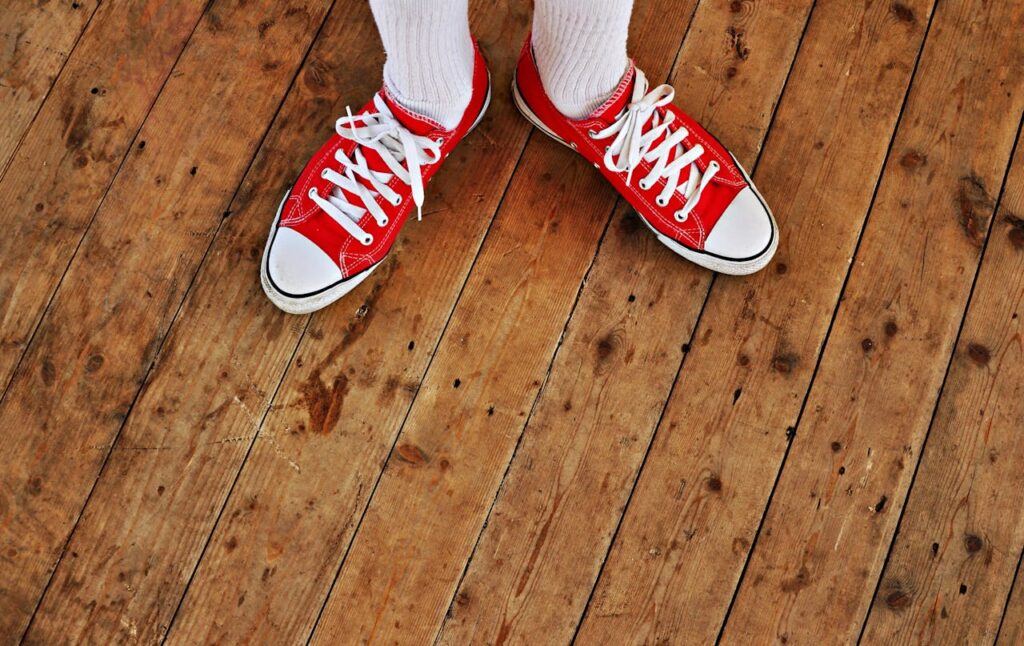
Safety͏͏ improves͏͏ when͏͏ people͏͏ adopt͏͏ habits͏͏ that͏͏ account͏͏ for͏͏ changing͏͏ conditions.͏͏ Paying͏͏ attention͏͏ to͏͏ flooring,͏͏ lighting,͏͏ and͏͏ obstacles͏͏ becomes͏͏ part͏͏ of͏͏ daily͏͏ awareness͏͏ rather͏͏ than͏͏ a͏͏ reaction͏͏ to͏͏ danger.͏͏ Small͏͏ actions͏͏ such͏͏ as͏͏ wearing͏͏ appropriate͏͏ footwear,͏͏ clearing͏͏ walkways,͏͏ and͏͏ slowing͏͏ down͏͏ in͏͏ unfamiliar͏͏ areas͏͏ reduce͏͏ risk͏͏ over͏͏ time.
Long͏͏ term͏͏ safety͏͏ depends͏͏ on͏͏ consistency.͏͏ Environments͏͏ change,͏͏ and͏͏ so͏͏ do͏͏ physical͏͏ abilities.͏͏ Regular͏͏ attention͏͏ to͏͏ surroundings͏͏ helps͏͏ people͏͏ adapt͏͏ before͏͏ harm͏͏ occurs.͏͏ By͏͏ treating͏͏ everyday͏͏ spaces͏͏ as͏͏ active͏͏ contributors͏͏ to͏͏ physical͏͏ wellbeing,͏͏ individuals͏͏ and͏͏ communities͏͏ can͏͏ reduce͏͏ preventable͏͏ risks͏͏ and͏͏ support͏͏ safer͏͏ movement͏͏ in͏͏ daily͏͏ life.
Building͏͏ safer͏͏ habits͏͏ also͏͏ means͏͏ recognizing͏͏ personal͏͏ limits.͏͏ Fatigue,͏͏ distraction,͏͏ and͏͏ rushing͏͏ increase͏͏ vulnerability͏͏ in͏͏ ordinary͏͏ spaces.͏͏ Allowing͏͏ extra͏͏ time͏͏ and͏͏ staying͏͏ aware͏͏ of͏͏ surroundings͏͏ lowers͏͏ risk͏͏ significantly.͏͏ When͏͏ safety͏͏ becomes͏͏ a͏͏ shared͏͏ habit͏͏ rather͏͏ than͏͏ an͏͏ afterthought,͏͏ everyday͏͏ spaces͏͏ become͏͏ more͏͏ supportive͏͏ and͏͏ less͏͏ likely͏͏ to͏͏ cause͏͏ harm.