


Households are increasingly attentive to the impact of their energy usage. As utility prices ascend and environmental concerns grow more pressing, the push for more energy-sensible homes has intensified. The pursuit of this aim is a response to practical and ethical demands.
The Switch to Renewable Energy
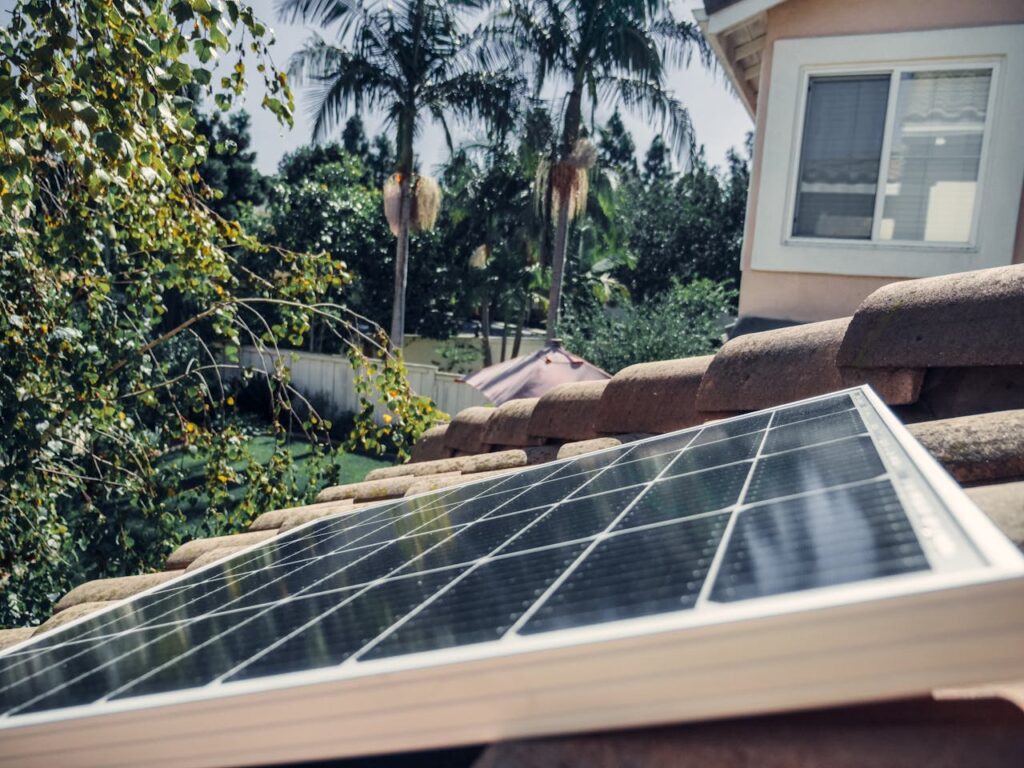
Solar panels are transforming rooftops into personal power stations. Once a luxury, solar setups are now attainable for many. Homeowners are capitalizing on government incentives and falling technology costs. Wind energy, more often associated with larger applications, is also finding its place in private gardens as turbines become more accessible. These shifts aren’t merely trends but signify a decisive step toward energy independence.
To assist with these installations, many rely on energy experts who can guide them through the process. Companies like King Heating offer valuable insights and professional services that can help ensure optimal energy efficiency and system integration.
In regions with limited sun exposure, geothermal systems present another opportunity. These systems utilize the earth’s consistent underground temperature to both heat and cool homes. Implementing geothermal technology can lead to significant energy reductions, paving the path for its increased adoption even in colder climates where other renewable options are less viable.
Community solar projects are also gaining traction as neighborhoods come together to share the benefits of renewable energy. These collaborations allow people without suitable rooftops for solar panels to still benefit from clean power. By pooling resources, whole communities can harness the advantages of solar energy, making it a collective effort to reduce reliance on fossil fuels.
Upgrade in Household Systems
Heating and cooling systems are undergoing extensive makeovers. The traditional thermostat has given way to advanced alternatives that adjust to patterns and preferences. These advancements promise more than raw cost savings; they offer a refined comfort tailored to efficient usage within households. Insulation, once an underestimated house feature, is coming into sharper focus. Its profound impact on consumption is becoming harder to ignore.
In addition to insulation, double and triple-glazed windows are making significant contributions. These installations offer better climate control benefits over traditional single-pane windows. By preventing heat loss in colder months and reducing heat intake during summer, they help homeowners maintain comfortable indoor temperatures all year round.
Many homeowners are also installing smart home systems that integrate with current technologies. From lighting systems that adjust based on natural light availability to power strips that cut off power supply when devices aren’t in use, these smart solutions aim to reduce wastage effectively, tailoring household energy use to necessity rather than excess.
Optimizing Water Use
Even water usage is getting scrutiny. Innovative fixtures such as low-flow toilets and showerheads are minimizing waste. Advanced systems are collecting, filtering, and reusing household water, turning it into a valuable asset rather than a simple utility.
Rainwater harvesting systems are being adopted by eco-conscious homeowners, allowing them to collect precipitation for later use in irrigation and non-potable applications. This practice not only conserves water but also reduces the burden on municipal systems, demonstrating a personal commitment to sustainability.
The Role of Energy Storage
Batteries are not just for our gadgets anymore. Home storage solutions let homeowners capture and use renewable power with more flexibility. These systems offer resilience against power interruptions and allow people to harness energy when grid prices are low, further reducing dependence on conventional sources.
Increasingly, households are participating in grid-sharing initiatives. By contributing stored energy back into the grid during peak times, these programs reward participants with credits or reduced energy bills. This collaborative approach enhances community resilience and diminishes collective energy costs.
With technological advances, energy storage systems are becoming more compact and affordable, opening up new possibilities for homeowners. These systems not only provide backup during outages but also integrate seamlessly with renewable installations, facilitating a more harmonious balance between energy production and consumption daily.
Architectural Considerations
Building designs are being reshaped. Orientation, natural lighting, and passive solar techniques are now integral to architectural blueprints. Design choices such as these reduce the need for artificial heating, cooling, and lighting, making a tangible difference in energy consumption.
Moreover, green roofs are emerging as a beneficial addition to urban and suburban homes. Covered with vegetation, they alleviate urban heat, provide additional insulation, and foster biodiversity in residential spaces while transforming bland rooftops into lush gardens.
Ahead of new construction, many are opting to retrofit existing homes with environmentally conscious designs and materials. From recycled building supplies to sustainably sourced timber, these changes are making strides in minimizing ecological footprints while maximizing aesthetic appeal.
Behavior and Conservation
None of these improvements matter if behavior remains unchanged. Educational campaigns and awareness of increasing energy consumption can empower individuals to adjust their everyday habits, leading to decreases in overall energy usage.
Simple actions such as unplugging devices when not in use and choosing energy-efficient appliances can significantly reduce the household’s energy footprint. Coupled with a conscientious effort, these strategies foster a culture where every small adjustment adds up to substantial environmental benefits.
Communities are establishing social groups to promote sustainable practices, exchanging tips, and organizing collective actions to further energy conservation. At the heart of these efforts is a commitment to fostering a culture of responsibility where reduced consumption is seen as both a personal achievement and a shared community goal.
Conclusion
The quest for more responsible energy usage at home isn’t science fiction. It’s the present reality. The drive for energy-conscious living addresses financial, environmental, and ethical responsibilities. Homeowners adopting this mindset are propelled by more than trends—they’re ensuring a sustainable future for themselves and the generations ahead.