

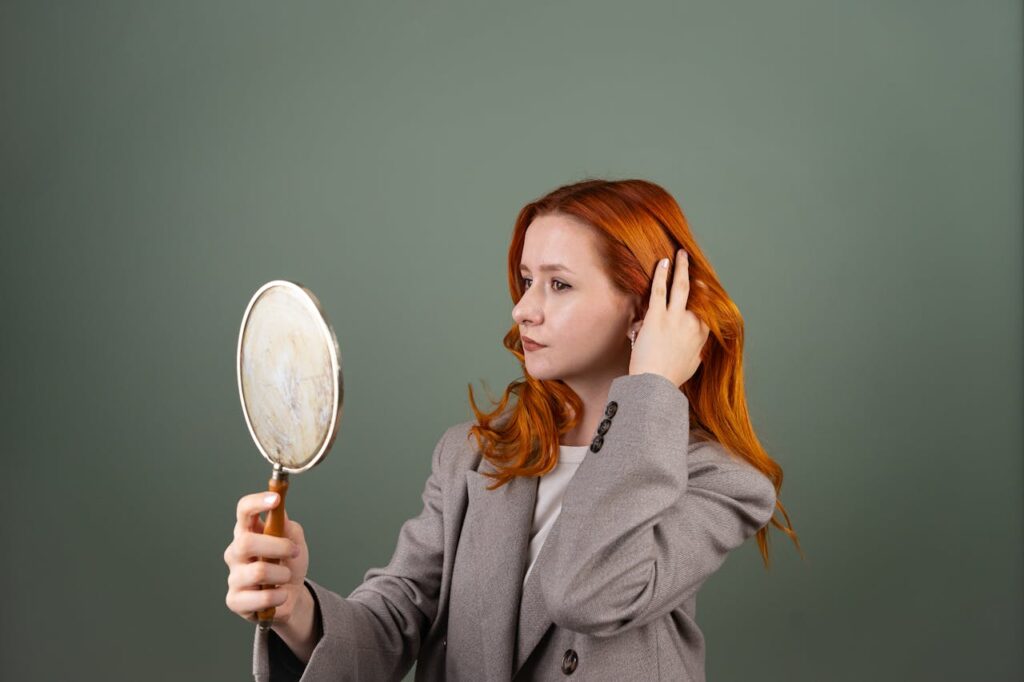

One of the latest crazes on social media is the self-care genre/topic. Creators invite viewers to get up close and personal, sharing their daily routines and struggles in a candid video format. Yet not everything is real; creators feel a sense of dread, and viewers feel inferior to the bar set so high by the people they enjoy watching.
In this article, we focus on social media creators who vlog about self-care and daily routines, helping them make changes to their routines without having to pretend.
The Issue With Self-Care on Social Media
Physical and emotional well-being has never been a more popular topic to discuss online. While such attention is appreciated, it also leads to a less favorable outcome when:
- People create fake personas to allegedly inspire others and hand out health or self-care advice that does nothing or might even be harmful.
- The followers/viewers’ need for more personal connection with creators has also led to a significant embellishment or even faking of their lives. For example, a creator documents how they prepare a healthy dinner while eating a bag of chips off-camera. Thus, the “better me” becomes just for show, likely due to the high expectations one has for what their life should be (or what they want it to be).
Beyond creators seemingly allowing their fans to join them under the covers, viewers are also fascinated by this type of content.
After all, there’s something mesmerizing (or even hypnotizing) about those GRWM (get ready with me) videos or those that open up about struggles to get in shape or fix their mental health issues.
How to Be Healthy About Self-Care on Social Media
As a social media creator, you have a responsibility to your followers to produce fair, authentic, and truthful content. Of course, keeping certain information private is crucial, but the details you do reveal shouldn’t facilitate the growth of unrealistic expectations and societal pressure.
The following list includes well-being-focused activities you can start and document on social media. Furthermore, we provide tips on how to avoid appearing inauthentic and from creating false narratives.
1. Become more financially secure
One realistic, relatable journey to share online is the effort to become more financially independent. It could relate to you sharing jokes about starting a side hustle: many novel writers start marketing their upcoming work as early as possible.
Additionally, you can share insights into successful and easy ways to make money. For example, if you have recently started using a daily earn money app, and it pays off, don’t be shy to post about it. Of course, take time to test the platforms and ensure you receive the promised payment. Take JumpTask, for instance, which is a popular get-paid-to website that rewards users for completing microtasks. In addition, you might use a service like Ibotta to earn cash back on your purchases. If they prove profitable, why keep these opportunities secret?
2. Don’t fear making a mistake or lacking progress
Many people relate any activity, attempt, or hobby to progress. So, if there’s no progress, your effort doesn’t matter because it didn’t lead anywhere. Such a mindset is detrimental and highly toxic, making it difficult for people to find joy or relaxation.
When creating your social media posts or simply looking for ways to spend time more meaningfully, don’t make progress the number one priority. Sometimes, it’s also not about the things you feel naturally drawn to. It could be that your favorite hobby is unexpected, something you wouldn’t have imagined doing and loving.
3. Feel comfortable with yourself
Another pitfall of content creators is not feeling comfortable sharing their lives accurately and fairly. So, the only way they imagine not disappointing or losing their followers is by creating false narratives and depicting lives in a better (or just different) light.
This step takes time, as you stop adjusting to others’ opinions or attempting to be a social chameleon, making everyone love and adore you. In reality, you should build a social media following of people who match your vibe and whom you can proudly view as people you respect or generally like.
4. Don’t give in to the pressure to match other creators
Social media creators spend significant time on their platforms, engaging with similar audiences and analyzing current trends. It’s okay to draw inspiration and join the latest viral phenomenon. However, watching other people’s content shouldn’t make you feel insignificant or inferior.
Even if it does, don’t take it as a sign to spread the “joy” by doing the same to your followers. After all, not everyone has the time to get up early for the gym or to keep their home in pristine condition. If a creator never shows weakness and their life is shiny and bright each day, it’s likely embellished.
5. Post your actual routine/life
One of the most essential aspects is posting your actual life, not a “better” version. For example, if you’re only getting up early to go to the gym for the video and skipping it entirely for the rest of the week. Furthermore, your daily routine might lack the aesthetics popular on social media. Thus, you end up spending money on more “ideal” things, attempting to perfect your environment (and yourself).
In many cases, viewers are already tired of routines that prioritize vibes and aesthetics instead of actual value. Posting more authentic, less curated content could attract these people to follow you and serve as your authentic hook.
Conclusion
Overall, creators of self-care and well-being content should fully understand how their content could affect others. After all, creating fake posts for views only increases the societal expectations and pressures that most people are already fed up with.
Furthermore, living a double life and constantly portraying your lifestyle as “better” must be exhausting, especially when you no longer feel able to share anything but a perfect online image. We highly recommend staying authentic: not only will it boost your well-being, but it can also improve your ratings and followers! After all, people tend to be more attracted to reality than to the perfect but unrelatable narrative.