

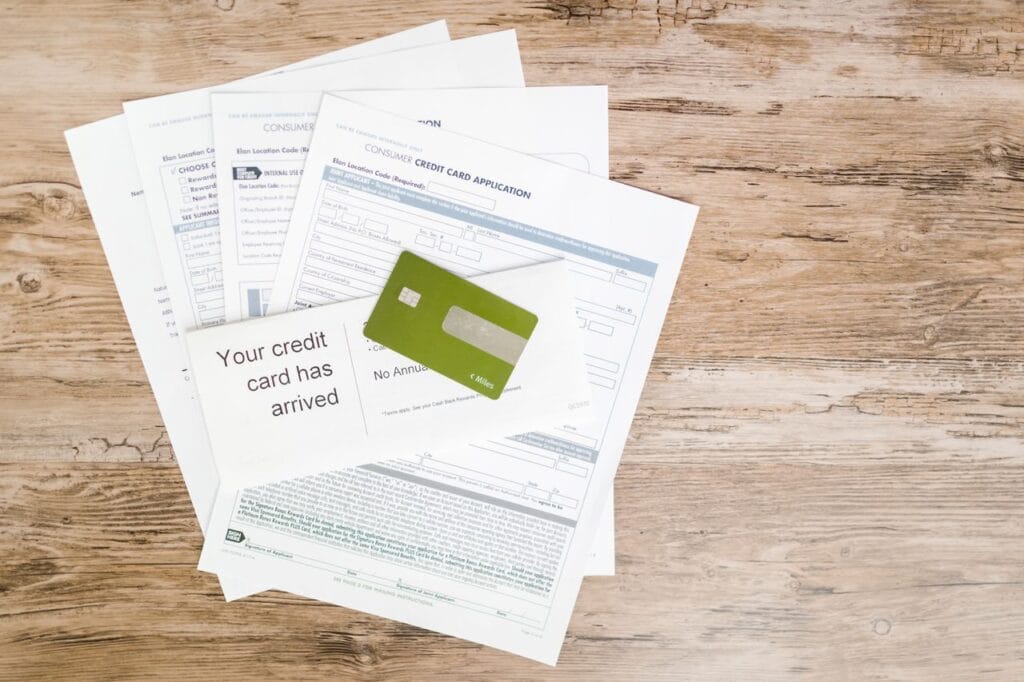

Your CIBIL report is one of those documents you probably ignore until it costs you something. A loan rejection, a higher interest rate, or a credit card application that goes nowhere. The frustrating part? Sometimes the problem isn’t your financial behaviour at all. It’s an error on your report that you never knew existed.
Why Errors Happen More Often Than You Think
CIBIL collects data from hundreds of banks, NBFCs, and credit card companies across India. Each of these lenders reports your account information monthly. That’s millions of data points flowing into one system, and the process is far from perfect. A bank employee enters a wrong account number. A payment you made on time gets reported as late because of a processing delay. Someone with a similar name has their default tagged to your PAN number. These aren’t rare edge cases. They happen regularly.
The real damage is silent. You carry on with your life, unaware that a settled loan is still showing as “written off” on your report, or that an old credit card you closed years ago appears active with a balance. By the time you discover the problem, you’re already sitting across from a loan officer who’s telling you your application doesn’t qualify.
Check Your Report Before Your Lender Does
The single most useful habit you can build is checking your credit report at least once a year, ideally twice. You can access it directly from the CIBIL website, or through various banking and fintech platforms. A poonawalla fincorp cibil score check, for instance, lets you view your score and report details through their platform, which can be a convenient starting point if you already have a relationship with them.
Don’t just glance at the score. The three-digit number is important, but the report underneath it is where errors hide. Open every section. Read every line item. I know that sounds tedious, but a fifteen-minute review can save you months of frustration later.
What Exactly To Look For
Start with your personal information. Verify your name, date of birth, PAN number, and address. Mismatches here can cause your report to merge with someone else’s, which is one of the most common sources of phantom debts and false defaults.
Next, go through your account section line by line. For every loan and credit card listed, check these specifics: Is the lender correct? Is the account status accurate? Does the outstanding balance match your records? Is the payment history showing any late payments that you know were made on time? If you’ve closed an account, does it show as closed?
Pay particular attention to the “Days Past Due” history. This is a month-by-month record of your payment behaviour, and even a single incorrect “30 days late” entry can drag your score down significantly. Compare it against your own bank statements or payment receipts.
Also look at the enquiry section at the bottom of the report. Every time a lender pulls your report for a loan or credit card application, it gets recorded. If you see enquiries from lenders you never approached, that could indicate unauthorized use of your information. That’s a different kind of problem, but one worth catching early.
How To File A Dispute
Once you’ve identified an error, go to the CIBIL website and use their online dispute resolution process. You’ll need to log in, select the item you’re disputing, and describe the error. CIBIL then forwards your dispute to the relevant lender, who has 30 days to investigate and respond.
Here’s where things get messy in practice. The 30-day timeline is a guideline, not a guarantee. Some lenders respond quickly. Others drag their feet or send back vague responses that don’t actually resolve anything. If CIBIL doesn’t hear back from the lender within the stipulated period, the disputed item may be updated or removed, but this doesn’t always happen smoothly.
Keep records of everything. Save screenshots of the error, copies of your bank statements proving correct payment, and any correspondence. If the lender rejects your dispute and you believe you’re right, you can escalate the matter by writing directly to the lender’s grievance redressal officer and, if necessary, to the banking ombudsman.
Make Monitoring A Routine
A periodic cibil score check is not vanity. It is basic financial hygiene, the same way you’d review your bank statement for unauthorized transactions. The people who get blindsided by credit report errors are almost always the ones who never looked until they needed credit urgently.
Set a calendar reminder. Pick two dates a year and pull your report. If you’re planning a major purchase like a home or car in the next six to twelve months, check it even more frequently so you have time to resolve any issues before you apply.
Your credit report is supposed to be an accurate reflection of your financial history. When it isn’t, you have every right to fix it. But the responsibility to catch the mistake? That falls squarely on you.